
Two very different maintenance jobs, one catalogue
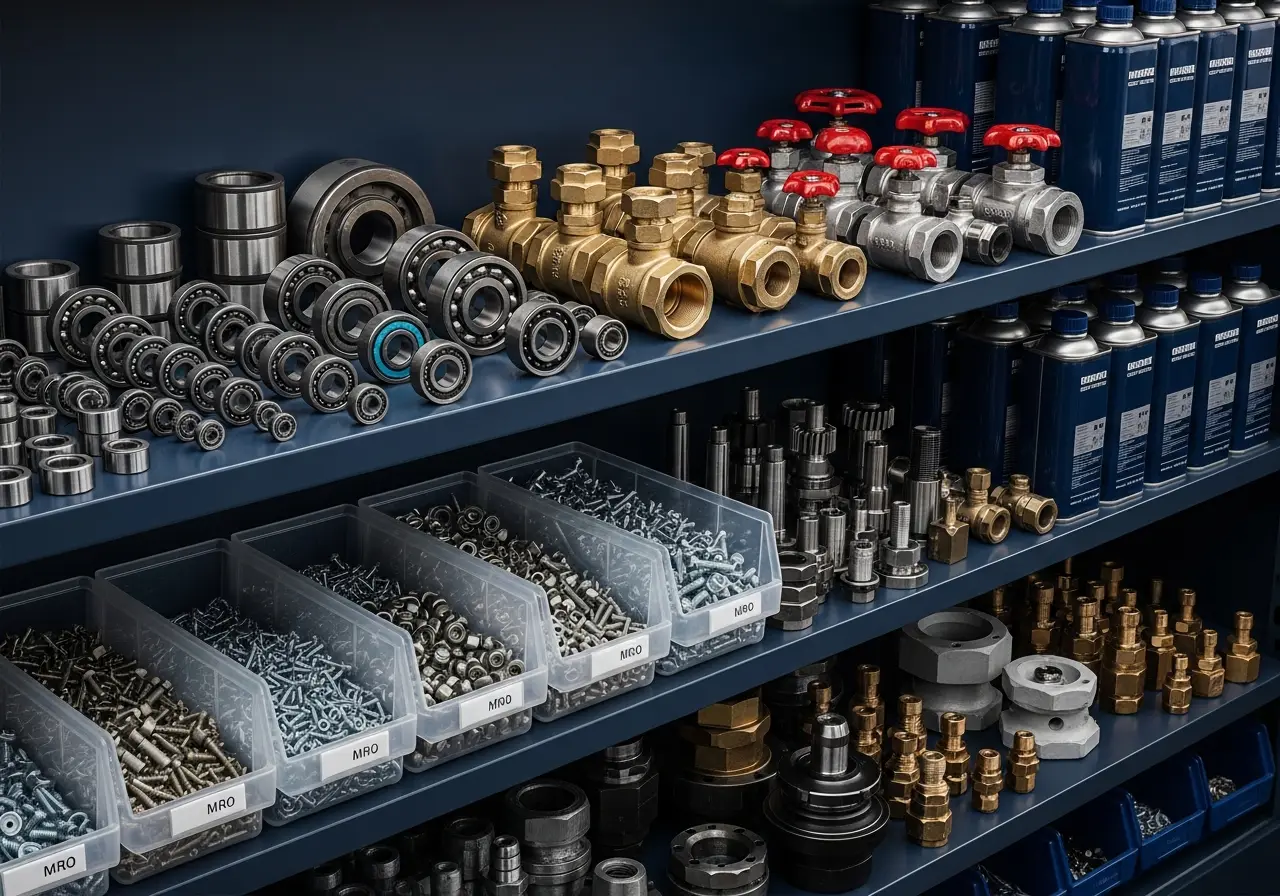
MRO in Nilai wears two faces at once. Inside the Nilai Industrial Estate, production plants burn through tooling, fasteners, electrical parts and abrasives to keep lines turning; out along the KLIA logistics corridor and inside the Nilai 3 wholesale warehouses, the priority is racking, dock gear and materials-handling upkeep. Both are low-value, high-frequency buys, and both usually scatter across a dozen small hardware shops with no shared pricing.
Lapasar consolidates the lot onto one B2B marketplace — 10,000+ suppliers, 2M+ SKUs, contract pricing, approval workflows and a single invoice, with spares dropped straight to site.
- Nilai Industrial Estate production plants
- Nilai 3 wholesale-centre warehouses
- KLIA-corridor distribution & handling depots
- Bandar Enstek & Techpark@Enstek operators
Where the tail-spend saving actually comes from
The money in MRO hides in volume, not in any one order. Consolidating a fragmented hardware base onto one catalogue with contract pricing and approvals typically trims 7–12% and strips out the admin drag of chasing many low-value vendors, while spend data flags where a Nilai plant or depot is duplicating stock before a review catches it.
The registrations and network behind the account
Lapasar Sdn Bhd (1198228-D) is a Ministry of Finance (MOF)-registered supplier turning over RM600m+ in annual GMV, shipping from its own warehouses on its own fleet across Peninsular Malaysia. The trust page sets out the full proof.