
Why the long tail is so expensive
Long-tail procurement is high-volume but low-value, spread across a fragmented supplier base, and low-priority until something breaks. That combination produces a paradox. The categories that get the least attention generate the most administrative overhead, the greatest compliance risk and some of the largest hidden costs in an operational budget.
At GLC scale, the long tail can account for 5,000–8,000 purchase orders a month across hundreds of suppliers. That is RM 10–40 million in annual administrative cost that rarely appears on any management account.
How to bring it under control
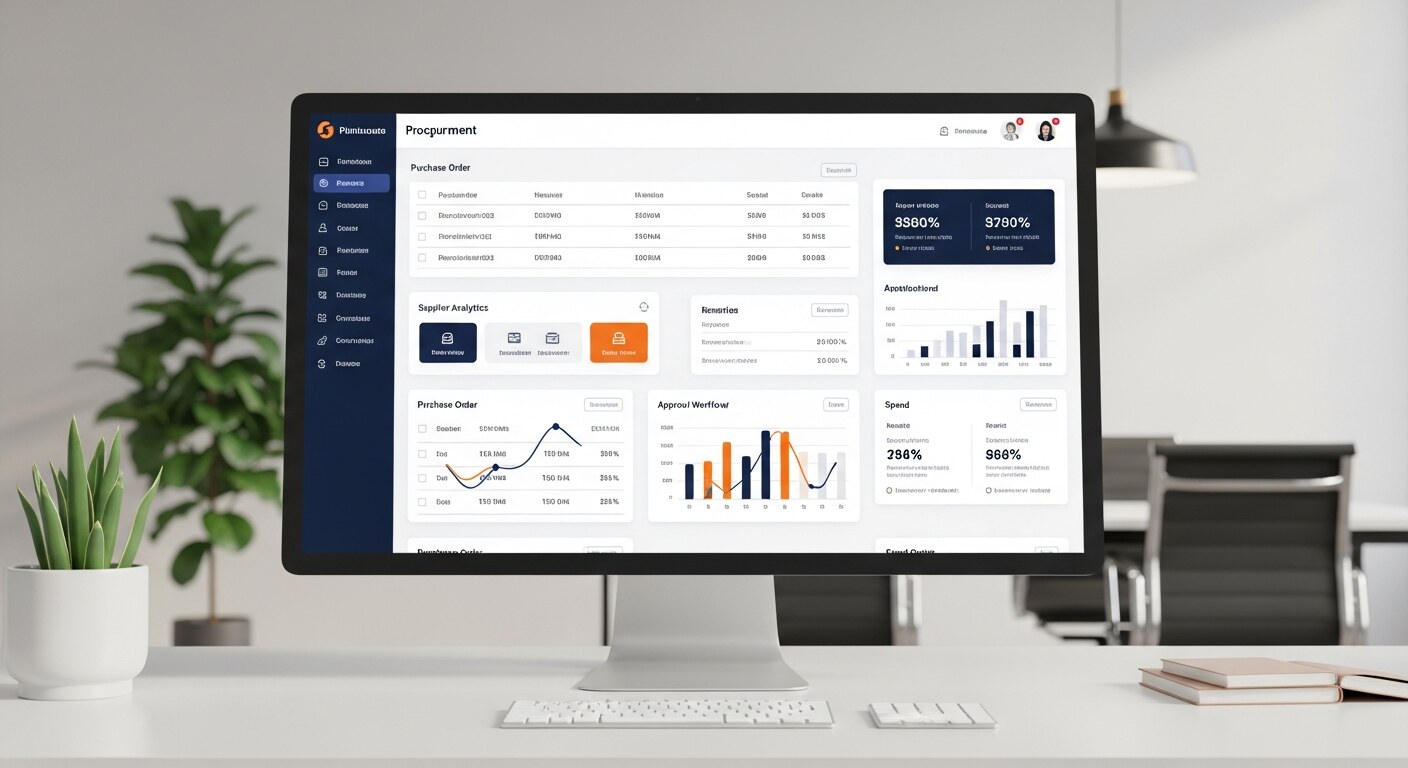
The fix is consolidation onto a single digital procurement layer. Routing tail spend through one managed marketplace standardises pricing and reduces the active supplier base by roughly half. It also replaces maverick and emergency buying with on-contract purchasing.
- Consolidate fragmented suppliers onto one catalogue
- Apply contract pricing automatically at purchase
- Surface off-contract leakage with live analytics
- Automate routine, low-value purchasing
Tail spend vs maverick spend
The two terms are often used interchangeably, but they describe different problems. Tail spend is a structural category: the long tail of low-value purchases that no sourcing strategy covers, regardless of how well each purchase follows policy. Maverick spend is a behavioural failure: buying that happens off-contract or outside the approved process, at any value level. The overlap is real — unmanaged tail spend is where most maverick buying hides, because low-value purchases rarely justify a tender and staff default to whoever can deliver fastest.
That distinction matters for the fix. Maverick spend responds to controls — approval workflows and budget gates. Tail spend responds to consolidation — giving buyers a sanctioned, faster route than the workaround. A managed marketplace addresses both at once: the catalogue makes the compliant route the convenient one, and the approval layer catches what still tries to go around it.
A tail spend management process for Malaysian companies
Bringing the tail under control is a sequence, not a software purchase. Most Malaysian procurement teams follow four steps:
- Analyse — pull 12 months of purchase data and isolate the transactions below your sourcing threshold; group them by category and supplier to see the fragmentation.
- Segment — separate the recurring, catalogue-able categories (office, pantry, MRO, cleaning, IT consumables) from genuine one-off purchases that need a sourcing desk.
- Consolidate — route the catalogue-able categories through one managed marketplace with contract pricing, and channel the one-offs through a single RFQ desk.
- Monitor — track off-contract leakage with live spend analytics and tighten approval rules where it persists.
Tail spend management for mid-size companies and SMEs
Tail spend is not only an enterprise problem. For a mid-size Malaysian company, almost all indirect purchasing is tail spend — there is no sourcing team to negotiate contracts, so every pantry, stationery and maintenance order is bought ad hoc at list price. The percentages are smaller but the leakage is proportionally worse, because there is no procurement function absorbing the admin.
The consolidation play works at this scale too, and often faster: a mid-size buyer moving its recurring indirect categories onto one marketplace account gets contract pricing, a single consolidated invoice and approval controls without hiring a procurement team or running a software implementation. Credit terms for approved businesses ease the working-capital squeeze that ad-hoc supplier accounts create.
The payoff
Organisations that consolidate long-tail spend through a single platform typically reduce supplier-base fragmentation by around 55%. They achieve 7–12% cost savings within 18 months. That is before counting the administrative savings from automating thousands of low-value transactions.