Future of Procurement Technology
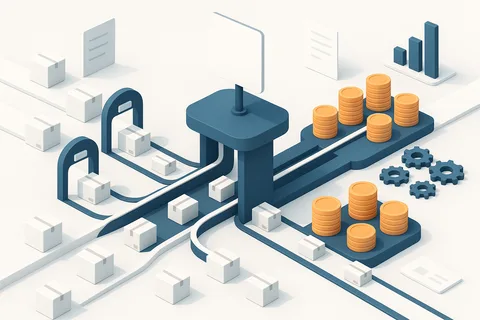
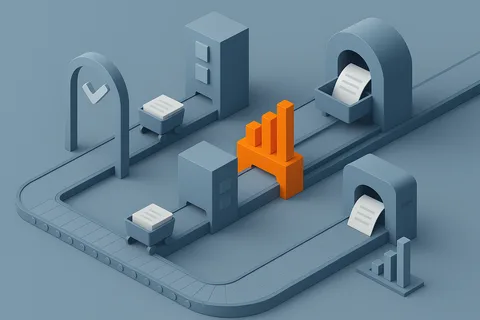
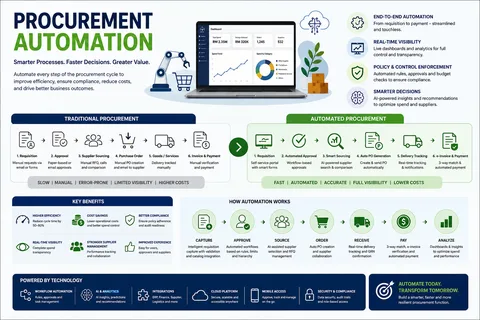
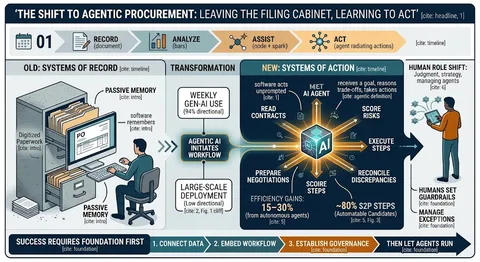
For forty years, the technology digitised paperwork. The shift now underway is different in kind: from systems that record what you did to systems that do the work. Here's what changes — and what doesn't.

Strategies and perspectives on B2B marketplaces, corporate efficiency, and the digitization of Malaysia’s supply chain.
For forty years, the technology digitised paperwork. The shift now underway is different in kind: from systems that record what you did to systems that do the work. Here's what changes — and what doesn't.
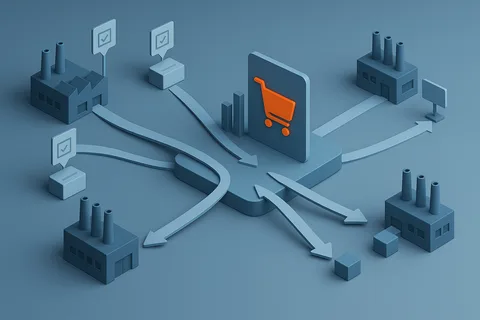
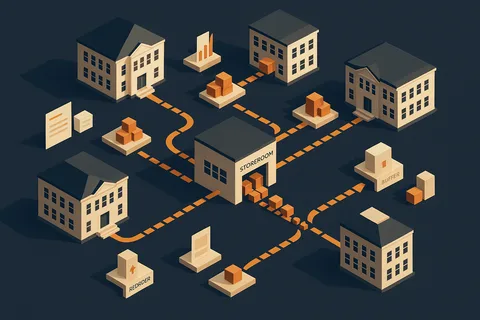
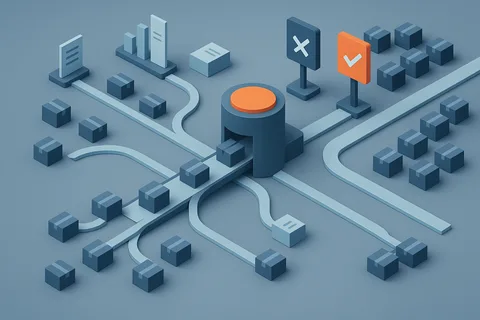
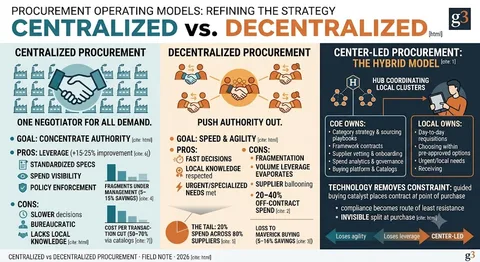
Every few years a company reorganises procurement, and the debate is always framed the same way: centralize buying under one team, or decentralize it to the units who feel the need? It's a tidy question — and the wrong one. Because the honest answer is yes. Centralization captures leverage and loses speed; decentralization captures speed and loses leverage. The organisations winning at procurement stopped picking a side and started splitting the decision: centralize the strategy, decentralize the buy. The industry calls it center-led — and technology is what finally made it work.
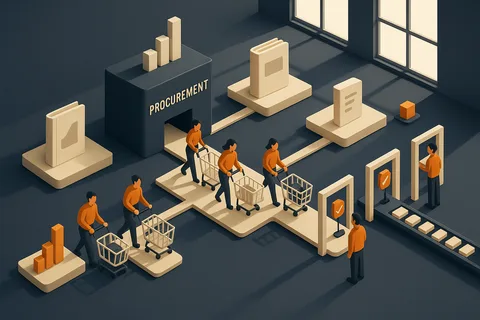
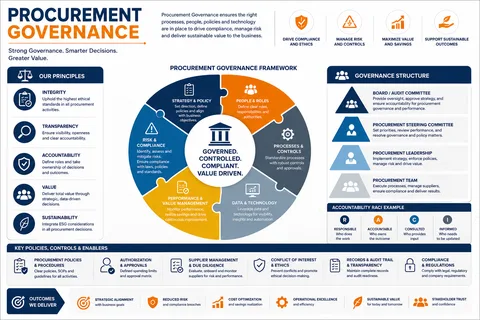
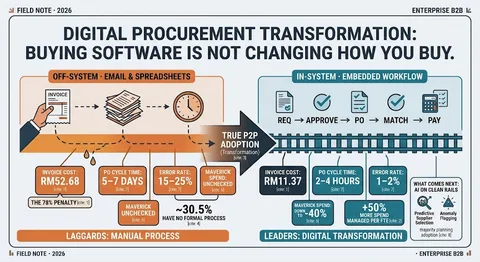
Most procurement "transformations" are really just procurement purchases. A company licenses a shiny source-to-pay suite, runs a launch town hall, and six months later the same buyers are raising the same off-system POs through the same email chains — only now there's an expensive dashboard watching them not use it. The tooling changed. The behaviour didn't. And behaviour is the whole game.
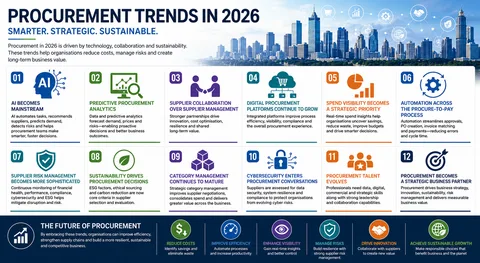
Procurement in 2026 is becoming more intelligent, data-driven, and strategic than ever before. Artificial intelligence, automation, sustainability, supplier collaboration, and digital procurement platforms are transforming how organisations source, purchase, and manage suppliers. Businesses that embrace these trends will improve efficiency, reduce costs, and build more resilient supply chains in an increasingly competitive global market.
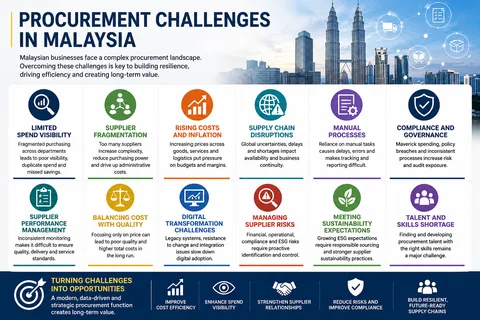
Procurement in Malaysia is evolving rapidly as organisations face rising costs, supply chain disruptions, stricter compliance requirements, and increasing pressure to digitalise. While procurement has become more strategic than ever, many businesses continue to struggle with fragmented purchasing, supplier risks, and limited spend visibility. Understanding these challenges is the first step towards building a more resilient, efficient, and future-ready procurement function.
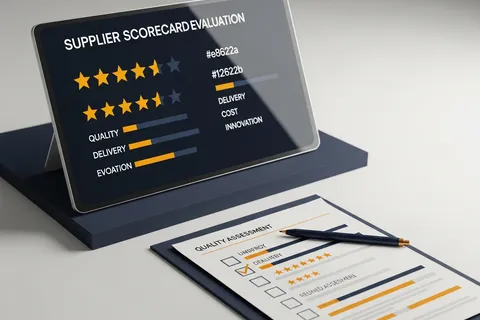
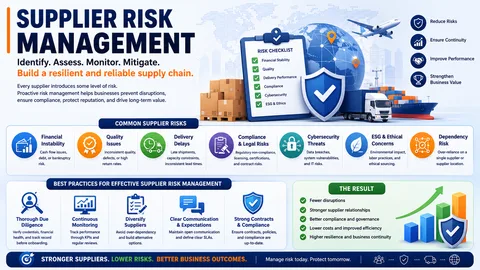
Every supplier introduces a level of risk to your business. From late deliveries and financial instability to compliance issues and cybersecurity threats, supplier risk management helps organisations identify, assess, and mitigate potential disruptions before they impact operations.
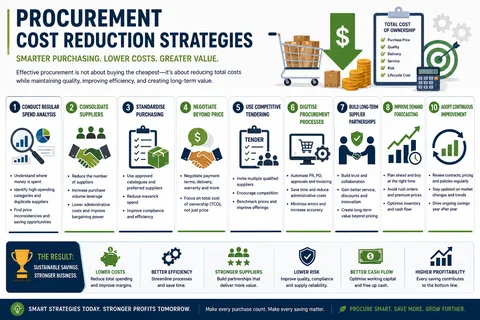
Reducing procurement costs isn’t about buying the cheapest products—it’s about making smarter purchasing decisions. From supplier consolidation and spend analysis to digital procurement platforms and strategic sourcing, these proven strategies help businesses reduce costs while maintaining quality and operational efficiency.
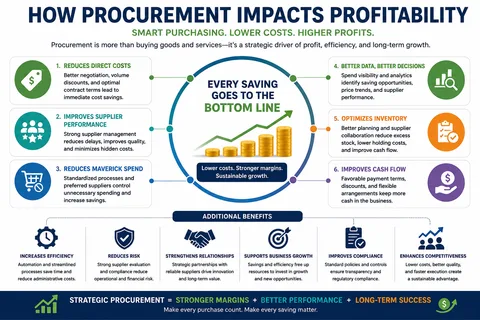
Procurement is often viewed as a cost center, but modern businesses know it is one of the biggest drivers of profitability. From reducing purchasing costs to improving supplier performance and preventing waste, strategic procurement directly increases margins and strengthens long-term business growth.
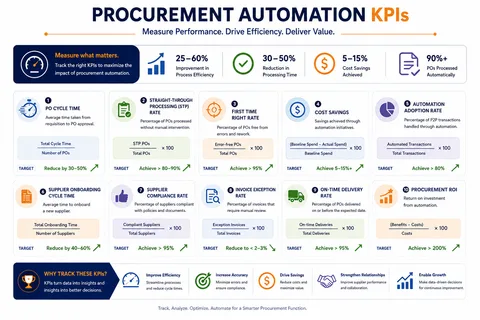
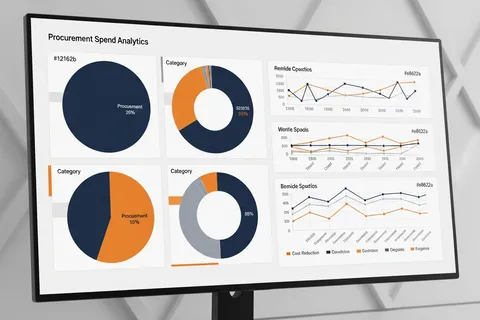
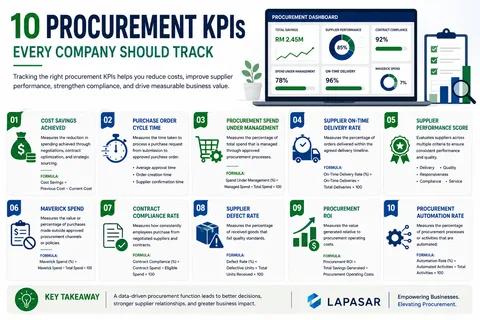
You can’t improve what you don’t measure. While many procurement teams focus on cost savings, high-performing organizations track a broader set of Key Performance Indicators (KPIs) to measure efficiency, compliance, supplier performance, and business impact. By monitoring the right procurement KPIs, companies can identify bottlenecks, reduce costs, improve supplier relationships, and make better purchasing decisions. Here are the procurement KPIs every company should be tracking in 2026.
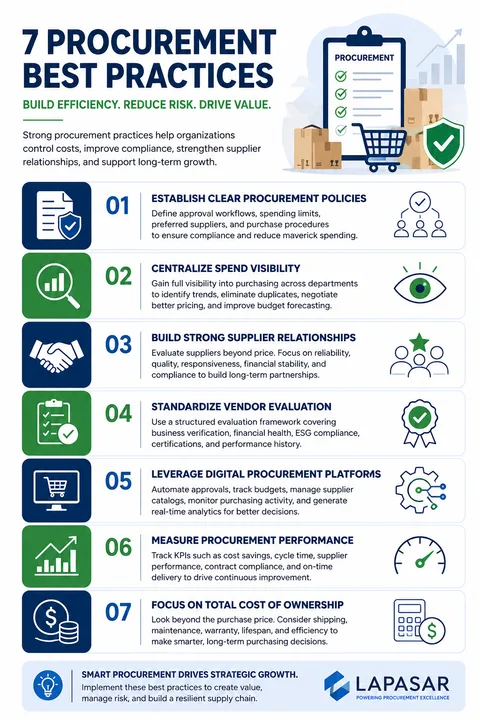
Strong procurement practices are no longer just about negotiating lower prices. Modern procurement teams are expected to drive cost savings, manage supplier risk, improve compliance, and support business growth. By implementing proven procurement best practices, organizations can increase efficiency, reduce waste, and create a more resilient supply chain. This article explores the key procurement best practices every organization should adopt in 2026 and beyond.
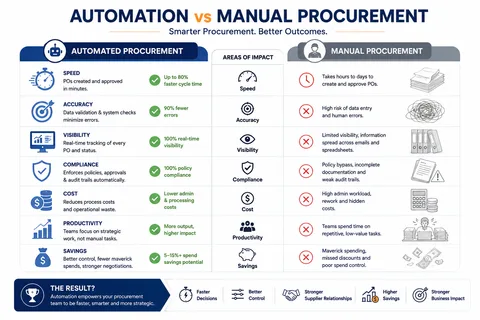
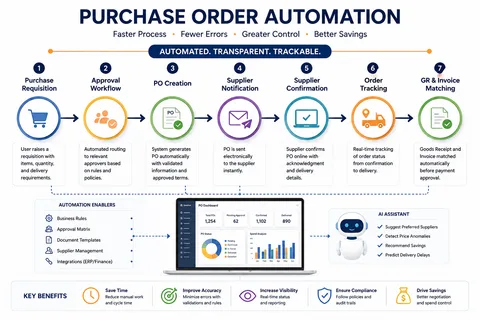
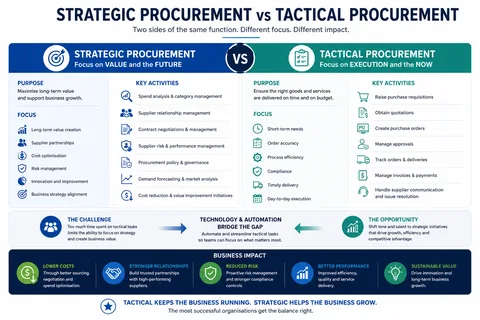
Many procurement teams spend most of their time on tactical activities: • Raising purchase orders • Chasing quotations • Following up on deliveries • Managing routine purchases These activities are necessary—but they don’t create strategic advantage. Strategic procurement focuses on supplier relationships, spend optimisation, risk management, category strategies, and long-term value creation. The challenge for many organisations isn’t understanding strategic procurement. It’s finding enough time to do it. The future of procurement lies in automating tactical work so procurement professionals can focus on what truly moves the business forward.
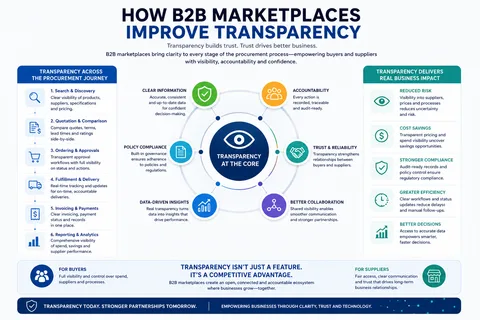
Procurement teams cannot manage what they cannot see. Modern B2B marketplaces improve transparency by giving organisations complete visibility into purchases, suppliers, approvals, budgets, and delivery performance—all within a single platform. The result? ✅ Better governance ✅ Stronger supplier accountability ✅ Reduced maverick spending ✅ Faster decision-making ✅ Greater spend visibility Transparency isn’t just about reporting. It’s about creating trust, improving control, and enabling smarter procurement decisions across the organisation.
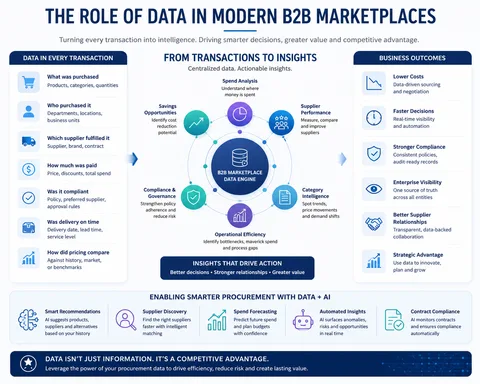
Most organisations think B2B marketplaces are about products and suppliers. The reality is that the greatest value often comes from the data. Every purchase generates insights into spending patterns, supplier performance, compliance, budget utilisation, and operational efficiency. Modern B2B marketplaces are evolving from transaction platforms into intelligence platforms—helping procurement teams make smarter, faster, and more strategic decisions. The future of procurement belongs to organisations that can turn procurement data into actionable business intelligence. Because in today’s digital economy, data isn’t just information. It’s a competitive advantage.
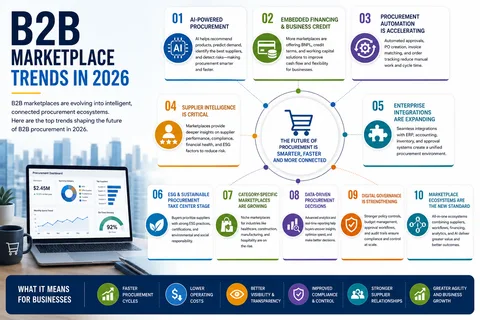
B2B marketplaces are evolving rapidly in 2026 as businesses demand greater efficiency, automation, and visibility across their procurement operations. Artificial intelligence, embedded financing, supplier intelligence, procurement automation, and enterprise integrations are transforming marketplaces from simple purchasing platforms into strategic procurement ecosystems. This article explores the key B2B marketplace trends shaping the future of business procurement in 2026 and beyond.
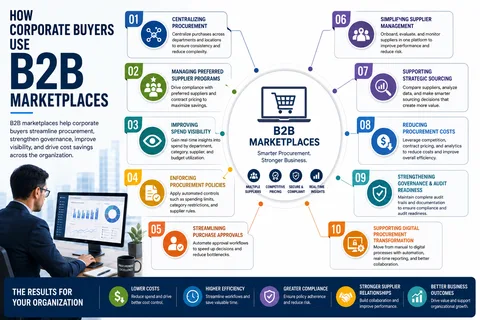
Corporate procurement teams are increasingly turning to B2B marketplaces to simplify purchasing, improve supplier management, increase spend visibility, and strengthen procurement governance. Rather than managing hundreds of suppliers manually, organizations can leverage digital marketplaces to centralize procurement activities, automate workflows, and gain greater control over business spending. This article explores how corporate buyers use B2B marketplaces to drive efficiency, compliance, and cost savings across their organizations.
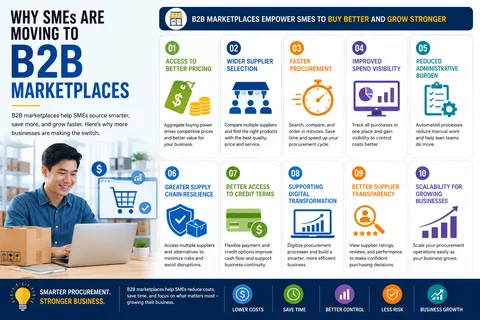
Small and medium-sized enterprises (SMEs) are increasingly turning to B2B marketplaces to streamline procurement, reduce costs, improve supplier access, and accelerate digital transformation. Traditional sourcing methods often involve multiple vendors, lengthy negotiations, and manual processes. B2B marketplaces offer SMEs a faster, more transparent, and more cost-effective way to purchase business supplies while gaining access to competitive pricing, wider product selection, and flexible payment options.
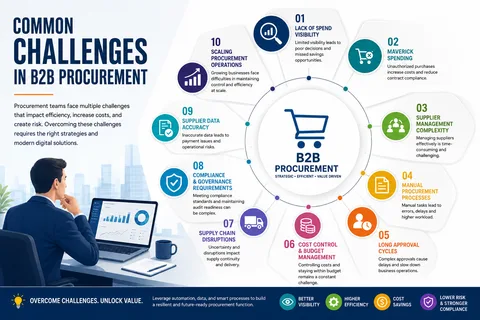
B2B procurement plays a critical role in keeping businesses running efficiently, but it often comes with hidden challenges that drive up costs, delay operations, and reduce visibility. From supplier management and maverick spending to manual approvals and poor spend visibility, procurement teams face increasing pressure to deliver more value with fewer resources. In this article, we explore the most common challenges in B2B procurement and practical strategies organizations can use to overcome them.
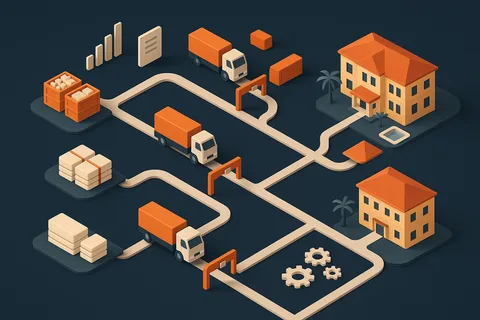
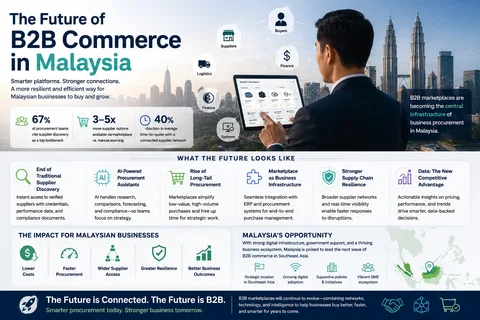
Malaysia’s B2B commerce landscape is entering a new phase. What began as digital catalogues and online ordering portals is rapidly evolving into intelligent procurement ecosystems powered by AI, automation, and marketplace networks. As procurement teams face increasing pressure to reduce costs, improve supplier resilience, and manage growing complexity, the future belongs to platforms that do more than facilitate transactions—they enable smarter purchasing decisions. Over the next five years, B2B marketplaces will become the central infrastructure connecting buyers, suppliers, logistics providers, and procurement systems, fundamentally reshaping how businesses buy and sell.
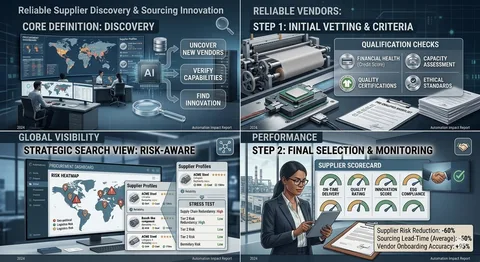
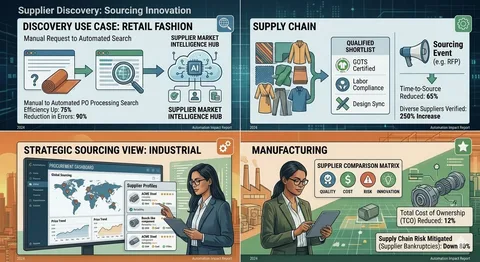
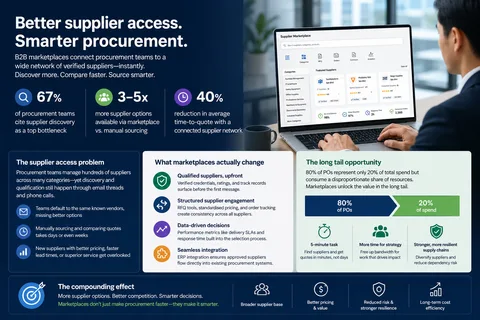
For most enterprises, finding the right supplier is still a manual, fragmented, and frankly exhausting process. B2B marketplaces are changing that — not by replacing supplier relationships, but by making them easier to find, evaluate, and activate at scale.
Choosing the right B2B marketplace can have a significant impact on procurement efficiency, supplier management, cost control, and business growth. Businesses should evaluate supplier quality, product selection, procurement automation, spend visibility, logistics capabilities, scalability, and procurement governance when selecting a platform. The best B2B marketplaces go beyond purchasing by providing supplier discovery, procurement analytics, spend management, and digital procurement tools that help organizations reduce costs, improve efficiency, and strengthen supply chain resilience.
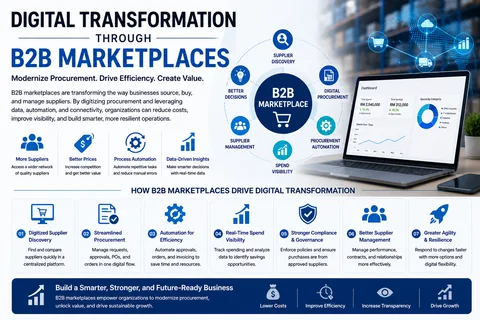
B2B marketplaces are accelerating digital transformation by helping businesses modernize procurement, automate workflows, improve supplier discovery, and gain real-time visibility into spending. By replacing manual procurement processes with centralized digital platforms, organizations can reduce costs, strengthen compliance, improve supplier management, and make data-driven decisions. As businesses continue investing in digital transformation, B2B marketplaces are becoming a key technology for building more efficient, agile, and resilient procurement operations.
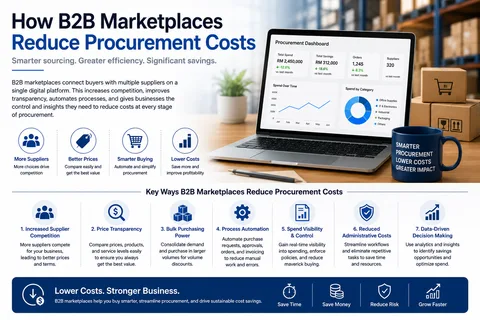
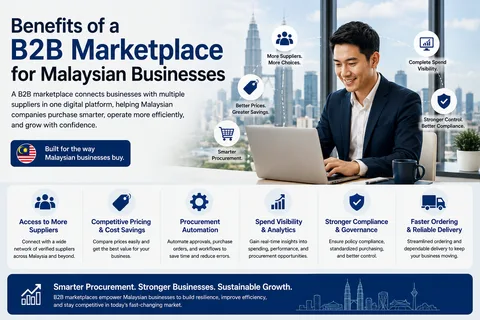
B2B marketplaces help businesses reduce procurement costs by increasing supplier competition, improving price transparency, automating procurement workflows, and providing greater visibility into spending. By connecting buyers with multiple suppliers through a centralized digital platform, B2B marketplaces enable organizations to identify cost-saving opportunities, reduce administrative expenses, strengthen procurement compliance, and make smarter purchasing decisions. As businesses focus on efficiency and profitability, B2B marketplaces are becoming a key driver of modern procurement cost optimization.
B2B marketplaces are transforming how Malaysian businesses manage procurement by providing access to multiple suppliers, greater price transparency, procurement automation, and improved spend visibility. From reducing procurement costs and simplifying supplier discovery to strengthening supply chain resilience and supporting digital transformation, B2B marketplaces help organizations purchase more efficiently and make better business decisions. As Malaysian companies seek greater control over spending and supplier management, B2B marketplaces are becoming an essential component of modern procurement strategies.
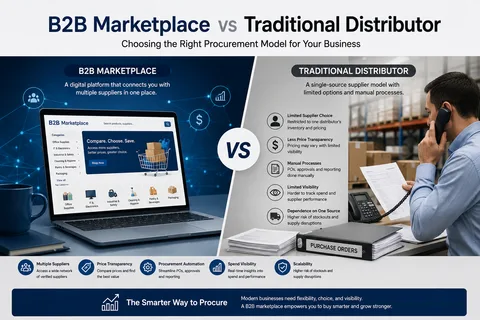
When evaluating procurement strategies, businesses often compare a B2B marketplace with a traditional distributor. While distributors provide inventory ownership, personalized service, and established supplier relationships, B2B marketplaces offer broader supplier access, greater price transparency, procurement automation, and improved spend visibility. As digital procurement continues to grow, organizations are increasingly adopting B2B marketplaces to streamline purchasing, reduce costs, improve supplier discovery, and build more resilient supply chains. Understanding the differences between these procurement models is essential for businesses seeking to optimize procurement performance and support long-term growth.
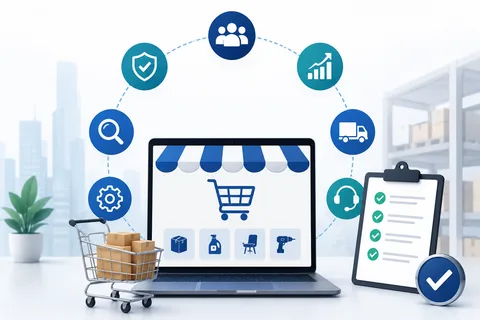
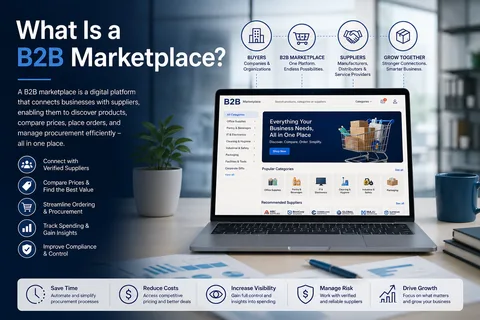
A B2B marketplace is a digital platform that connects businesses with suppliers, manufacturers, and service providers in a centralized procurement environment. It enables organizations to discover products, compare suppliers, manage purchasing, and streamline procurement processes more efficiently than traditional methods. As businesses increasingly adopt digital procurement strategies, B2B marketplaces are becoming essential tools for reducing costs, improving supplier discovery, increasing spend visibility, and automating procurement workflows. Whether for SMEs or large enterprises, a B2B marketplace helps organizations make smarter purchasing decisions while improving operational efficiency and supply chain resilience.
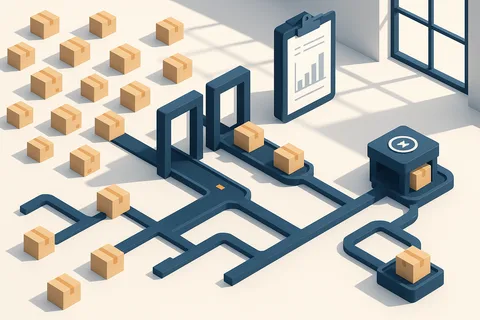
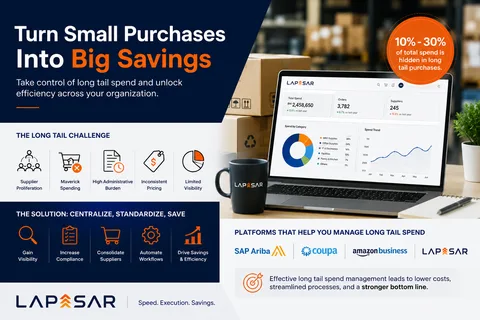
Long tail spend is often overlooked by procurement teams, yet it can represent thousands of transactions, hundreds of suppliers, and significant hidden costs. Learn how organizations can gain visibility, improve control, and unlock savings through effective long tail spend management and modern procurement platforms.