
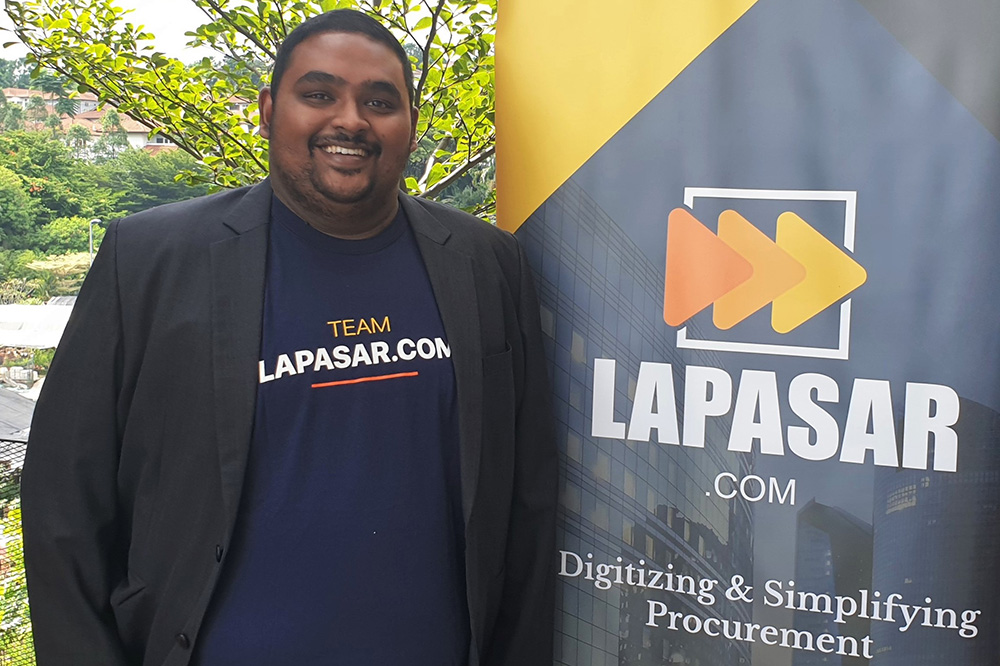
These M'sians thought the B2B supply chain was unfair, so they built a platform to fix it
Vulcan Post's January 2018 profile is one of the earliest pieces of in-depth coverage on Lapasar. It captures the founding story and the founders' frustration with a B2B supply chain they believed was structurally unfair to buyers and small suppliers alike.
The Problem That Started It All
The core thesis behind Lapasar was that Malaysia's B2B procurement market was opaque, relationship-gated, and inefficient in ways that consistently disadvantaged smaller players. Enterprise buyers paid more than they should because they lacked visibility. Small suppliers were locked out of corporate contracts because they lacked the relationships to compete. Lapasar was founded to dismantle both barriers simultaneously.
From Frustration to Infrastructure
What started as a principled reaction to market dysfunction has grown into Peninsular Malaysia's B2B commerce infrastructure. From Lapasar's origins in this early profile, the company has expanded to over 10,000 verified suppliers, optional fulfilment add-on across Peninsular Malaysia of optional fulfilment add-on across Peninsular Malaysia, and RM3 billion in processed transactions — with institutional backing from KWAP, Creador, and Gobi Partners.
This article is the starting point of that journey. Explore the Lapasar marketplace or read about the enterprise clients who trust the platform today.
Original coverage
Read the full article on Vulcan Post (opens in a new tab)