
Sourcing Guide · Cleaning & Janitorial
Cleaning & Janitorial Supplies: A Sourcing Guide for Malaysian Facilities
Cleaning spend hides in plain sight — a stream of small, frequent orders across dozens of consumable lines that rarely gets the attention a single capital purchase would. Yet the category splits cleanly into fast-moving consumables and longer-life equipment, each with its own buying logic, and getting spill response right is a genuine safety and environmental obligation rather than a housekeeping nicety. This guide covers how to specify, consolidate and govern the category.
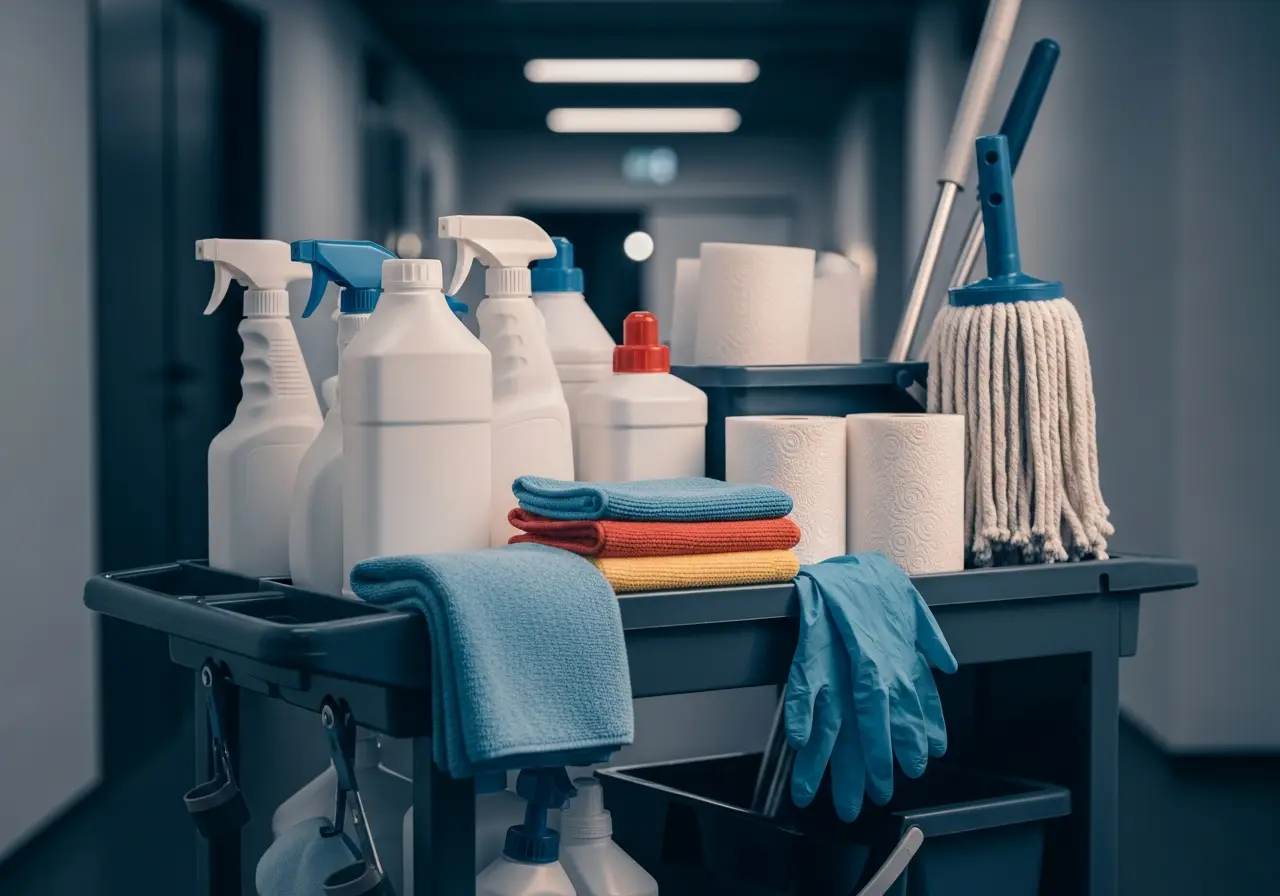 Sourcing guide
Sourcing cleaning and janitorial supplies for a Malaysian facility starts with separating recurring consumables — pads, sponges, wipers, absorbents — from longer-life equipment such as scrubbers and machines, because they follow different reorder and approval logic. Match absorbents and spill kits to the actual hazard on site (general, oil-only or marine) and confirm compatible chemistry before standardising. Evaluate suppliers on consistent stock of standard consumables, breadth across chemicals, tools and equipment, and the ability to fulfil a mixed janitorial order on one purchase order. Consolidating the category through a managed marketplace such as Lapasar gives facilities teams access to 10,000+ suppliers on one account, with credit terms for approved buyers and delivery across Peninsular Malaysia.
Key takeaways
- Consumables and equipment are two different buys — wipers, pads and absorbents reorder on consumption velocity, while scrubbers and machines are periodic capital-style purchases with warranty and spares to consider.
- Spill kits and absorbents must match the hazard: general-purpose, oil-only and marine absorbents behave differently, and using the wrong type can leave a spill non-compliant with environmental handling rules.
- Standardising on a core consumables list cuts both cost and the admin drag of many small ad-hoc orders across multiple dealers.
- Cleaning chemicals interact with the surfaces, tools and machines they run through — confirm compatibility before committing volume to avoid damage or premature equipment wear.
What counts as cleaning & janitorial supplies
Consumable cleaning chemicals, wipers and absorbents plus the tools and machines that apply them — from scrubbers, pads and sponges to sticky mats, oil-spill kits and cleaning equipment used across facilities, plants and institutional sites.
Who typically sources this category
- Facilities management
- Manufacturing & plants
- Healthcare & institutions
- Hospitality & retail
- Logistics & warehousing
What the category covers: consumables versus equipment
Cleaning and janitorial supply divides into two spends that behave very differently. The consumable stream — scrubbing pads, sponges, cleaning sheets and wipers, absorbents and janitorial chemicals — turns over constantly and is bought on consumption velocity. The equipment stream — floor scrubbers, brushes, dispensers and cleaning machines — is bought periodically, carries warranty and spares obligations, and is best specified against the surface area and soil type it has to handle.
Treating the two as one basket is a common source of waste: consumables get under-ordered and run out, while equipment gets bought on price without regard to spare-part availability. Building a standard consumables list for recurring housekeeping, kept separate from occasional equipment purchases, lets each follow the right approval path and keeps standing stock lean.
- Consumables: pads, sponges, cleaning sheets, wipers, absorbents, janitorial chemicals
- Absorbent types: general-purpose, oil-only, marine — matched to the on-site hazard
- Tools: brushes, manual applicators, mops and dispensers
- Equipment: floor scrubbers and cleaning machines, with spares and warranty
Spill response: matching absorbents to the hazard
Absorbent selection is where cleaning procurement meets environmental compliance. General-purpose absorbents soak up water and most liquids; oil-only absorbents repel water and are used for hydrocarbon spills on wet ground or water; marine absorbents are designed to float and recover oil from water surfaces. Using the wrong type does not just clean less effectively — it can leave a spill improperly contained and the recovered waste harder to classify and dispose of correctly.
For plants and sites handling oils, solvents or scheduled chemicals, spill kits should be specified to the worst credible spill and positioned where response time matters. Recovered absorbents contaminated with hydrocarbons or chemicals may fall under scheduled-waste handling, so the disposal route belongs in the plan alongside the purchase. Lapasar is a Ministry of Finance (MOF)-registered supplier — its only certification — with a published governance framework covering supplier conduct, which helps corporate and government-linked buyers document their consumables channel.
See live stock & pricing for cleaning & janitorial supplies on mall.lapasar.com
Consolidating a recurring janitorial spend
Few categories fragment as easily as janitorial supply. A facilities team can end up buying wipers from one dealer, chemicals from another and pads and sponges from a third, each on its own minimum order and monthly invoice, none large enough to attract attention. The remedy is to define a core consumables list — the pads, sheets, sponges and absorbents that turn over predictably — and put them on a standing reorder pattern rather than reacting to stockouts.
Occasional needs — a replacement scrubber, a seasonal deep-clean or a spill-kit top-up — are handled as separate line items so they do not distort the recurring budget. Consolidating both onto one account collapses the multi-dealer, multi-invoice pattern into a single ordering and approval flow.
Evaluating cleaning and janitorial suppliers
Consistent stock of standard consumables is the first thing to test — a cleaning programme fails on the day the wipers or pads run out, so a supplier who reliably holds the everyday lines is worth more than one with a broader but patchier catalogue. After availability, weigh breadth: a supplier who can quote chemicals, tools, absorbents and equipment together lets you run the whole category on one relationship.
Chemical compatibility deserves a specific check. Cleaning chemistry interacts with the surfaces it touches and the machines it runs through, so confirm compatibility before committing volume. On the Lapasar marketplace, facilities teams compare suppliers on the same order and weigh price against fulfilment history rather than choosing on headline unit cost alone.
- Consistent stock of everyday consumables — pads, sponges, sheets, absorbents
- Breadth across chemicals, tools, absorbents and cleaning equipment
- Correct absorbent and spill-kit types for the on-site hazard
- Chemical compatibility with surfaces and machines confirmed
- Spare-part and warranty support on cleaning equipment
Pricing and lead-time factors
Consumables price on volume and are usually held in stock by trade distributors, so recurring lines replenish quickly once a standing order is in place. Equipment prices by capacity and build quality, and the meaningful cost is the total of ownership — machine, spares and consumable pads or brushes — rather than the sticker price alone. Specialist absorbents and spill kits sit between the two: often stocked, but with less common formats running on longer replenishment.
Lead times split accordingly. Standard consumables are typically ex-stock; cleaning equipment and less common absorbent formats may be indent. Confirm per-line availability at quotation, and for spill kits and safety-critical items, keep a buffer rather than relying on same-day replenishment.
Sourcing across Peninsular Malaysia
Janitorial distribution depth is strongest around the major commercial and industrial corridors, leaving facilities on the fringes juggling several regional dealers to cover a full consumables list. A consolidated marketplace flattens that: orders draw on 10,000+ suppliers regardless of site location, fulfilled through Lapasar's own warehouses and delivery fleet across Peninsular Malaysia, with orders from RM1,000 qualifying for free delivery in the Klang Valley, Penang, Johor, Perak and Negeri Sembilan.
For the transactional step — live stock and pricing on specific pads, absorbents, chemicals and cleaning equipment — the cleaning-supplies catalogue on mall.lapasar.com carries the full assortment and links through to supplier quotations for volume requirements.
Explore the range on mall.lapasar.com
The transactional catalogue — live stock, business pricing and volume quotations — lives on mall.lapasar.com. Start from these cleaning & janitorial supplies ranges:
Keep planning with these guides
Common questions
- How do we choose the right absorbent for a spill?
- Match the absorbent to the hazard, not the price. General-purpose absorbents handle water and most liquids; oil-only absorbents repel water and are used for hydrocarbon spills; marine absorbents float and recover oil from water surfaces. Using the wrong type can leave a spill improperly contained and the recovered waste harder to classify for disposal.
- Should cleaning consumables and equipment be bought differently?
- Yes. Consumables like pads, sponges, wipers and absorbents reorder on consumption velocity and belong on a standing pattern, while scrubbers and machines are periodic purchases where spare-part availability and warranty matter more than unit price. Treating them as one basket tends to under-order consumables and over-simplify equipment decisions.
- How do we control a janitorial spend that keeps fragmenting?
- Define a core consumables list — the pads, sheets, sponges and absorbents that turn over predictably — and put it on a standing reorder pattern rather than reacting to stockouts. Consolidating both recurring consumables and occasional equipment onto one account collapses the multi-dealer, multi-invoice pattern into a single flow.
- Do contaminated absorbents count as scheduled waste?
- Absorbents saturated with oils, solvents or scheduled chemicals may fall under scheduled-waste handling, so the disposal route should be planned alongside the purchase. Confirm the classification for your specific spill type and keep the handling records with your environmental documentation.
- Where can we see live pricing and stock for cleaning supplies?
- The transactional catalogue lives on mall.lapasar.com — the cleaning-supplies category there carries the full assortment with live stock and business pricing, and links through to supplier quotations for volume requirements.
Didn't find your answer?
Ask us directly — WhatsApp or email, whichever suits you.
Explore related across the knowledge graph
Ready to act on this guide?
The cleaning & janitorial supplies catalogue on mall.lapasar.com carries live stock and business pricing from 10,000+ suppliers — with credit terms for approved buyers and delivery across Peninsular Malaysia.
Prefer to talk to a real person?
Our team replies fast on WhatsApp and email — no forms, no waiting.