
Improving Vendor Credit Terms for Schools and Universities in Malaysia
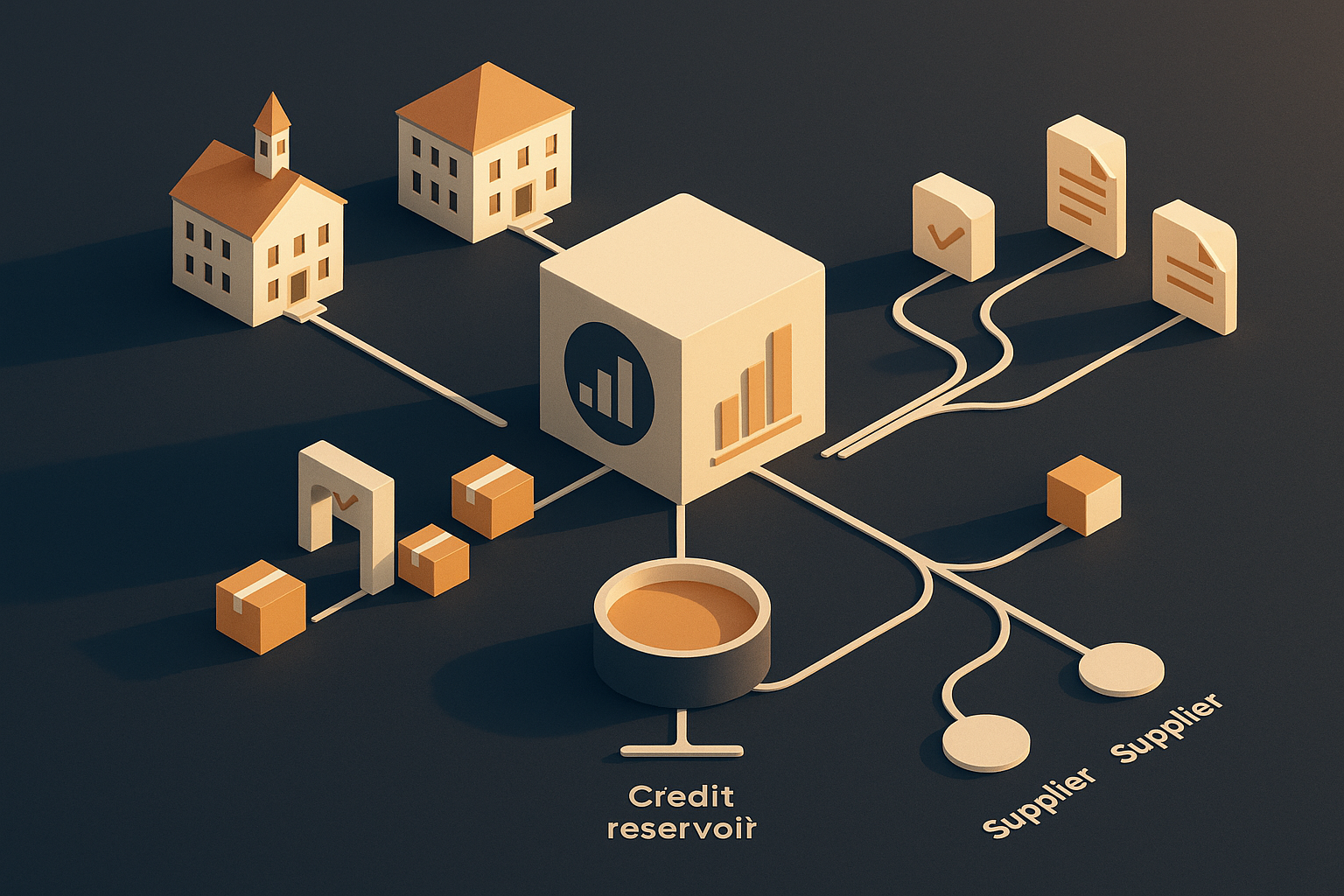
Schools and universities rarely buy on a perfectly even schedule. Purchases often cluster around semester starts, lab setup periods, maintenance cycles, hostel needs, events and year-end budget use. That makes vendor credit terms more than a finance detail — they directly affect whether procurement can run smoothly without constant urgency.
Quick answer
To improve vendor credit terms for schools and universities, start by making your institution easier to trust: standardise procurement processes, pay consistently, consolidate spend, share clear approval timelines and negotiate terms based on purchasing patterns rather than one-off requests. The best results usually come when procurement and finance work together to show suppliers that the institution is organised, predictable and worth extending better credit terms to.
Why vendor credit terms matter in education procurement
In schools and universities, procurement teams often have to balance:
- fixed or staged budget releases
- slow internal approvals
- multiple departments ordering separately
- peak seasonal demand
- pressure to avoid stockouts in classrooms, labs, offices, hostels and facilities
When vendor credit terms are too short, institutions may face:
- rushed payment processing
- delayed ordering because budget owners are waiting for approval
- fragmented purchases from multiple vendors
- higher administrative workload
- tension between procurement, finance and end-user departments
Better terms do not simply mean "pay later." In practice, they create breathing room between delivery, internal verification, invoice processing and payment release. That helps institutions buy more responsibly instead of reactively.
What "better credit terms" actually means
Not every improvement is about extending payment from one number of days to another. For education buyers, improved terms may include a mix of commercial and operational changes.
Common forms of improved vendor credit terms
| Credit term improvement | What it means in practice | Why it helps schools and universities |
|---|---|---|
| Longer payment period | More time between invoice date and due date | Aligns with approval cycles and budget release timing |
| Clearer invoice cut-off dates | Suppliers batch invoices at agreed times | Reduces confusion across departments |
| Consolidated billing | Multiple deliveries rolled into fewer invoices | Lowers admin work for finance and AP teams |
| Department-level tracking under one account | Several cost centres buy under one approved facility | Improves control without forcing separate negotiations |
| Temporary seasonal flexibility | Extra room during intake periods or major events | Supports predictable spikes in demand |
| Credit line aligned to recurring spend | Credit availability reflects normal purchasing needs | Prevents interruptions during busy periods |
Better terms should improve both cash flow and process reliability
If a supplier offers a longer payment term but invoicing is inconsistent, deliveries are incomplete or supporting documents are missing, the institution still struggles. Good credit arrangements should support:
- accurate purchase orders
- complete delivery documentation
- clean invoices
- predictable statement reconciliation
- clear dispute handling
That is especially important in education environments where purchases may be initiated by faculties, administration, facilities teams, libraries, hostels and student-facing units.
Why some schools and universities struggle to get better terms
Suppliers extend credit based on risk, effort and confidence. If an institution looks administratively difficult to serve, suppliers may limit flexibility even when the institution is reputable.
Common supplier concerns
Suppliers may worry about:
- long approval chains with unclear owners
- inconsistent ordering patterns
- delayed goods receipt confirmation
- invoices being rejected for formatting or documentation issues
- many small orders from separate departments
- unclear budget ownership
- payment disputes raised late in the cycle
From the supplier's perspective, weak process discipline increases working-capital pressure. That makes them less willing to offer longer terms or larger credit lines.
The biggest opportunities to improve vendor credit terms
Most institutions improve terms not by pushing harder in negotiation, but by reducing supplier risk and operational friction.
1. Consolidate spend before negotiating
Many schools and universities buy significant volumes overall, but that spend is often split across departments, campuses, project codes or buyer groups. When each unit buys separately, suppliers see many small accounts instead of one meaningful customer relationship.
Bring together purchasing data across categories such as:
- office supplies
- pantry and janitorial items
- IT peripherals
- maintenance consumables
- lab support items
- furniture and facilities needs
- event and printing support
A supplier is more likely to improve terms when they can see:
- recurring order volume
- category breadth
- frequency of purchases
- likelihood of repeat business
Even if you cannot centralise every order, you can still negotiate based on total institutional demand.
2. Improve payment reputation first
If your institution wants better terms, first look honestly at current payment behaviour. Suppliers usually know whether delays are occasional exceptions or a normal pattern.
Review:
- average time from delivery to goods receipt confirmation
- average time from invoice receipt to approval
- common reasons invoices get returned
- frequency of disputed quantities or prices
- aged payables by supplier
If the institution has a habit of paying later than agreed, asking for even longer terms will be difficult. In many cases, the fastest way to improve credit is to become a more reliable payer on existing terms.
3. Give suppliers a clear procurement map
Suppliers are more comfortable extending credit when they understand how the institution buys and gets invoices approved.
Share a practical overview covering:
- who can issue purchase orders
- what documents are required at delivery
- who confirms receipt
- where invoices should be submitted
- how dispute resolution works
- when payment runs typically happen
This does not need to be complex. A simple standard operating workflow can reduce supplier uncertainty significantly.
4. Reduce small, urgent, off-contract buying
Emergency purchasing weakens your credit position. It signals poor planning and often creates exceptions in pricing, approvals and invoicing.
Schools and universities can improve this by:
- forecasting semester-start demand earlier
- setting reorder triggers for frequently used items
- standardising core SKUs across departments where practical
- planning event-related procurement in advance
- grouping routine purchases into scheduled replenishment cycles
The more predictable your demand, the easier it is for suppliers to support you with better commercial terms.
5. Negotiate category by category
Not all suppliers can offer the same credit structure. A distributor of routine office and janitorial supplies may be more flexible than a specialist equipment supplier ordering imported items on demand.
Segment suppliers into groups such as:
- recurring operational suppliers
- project-based suppliers
- specialist academic suppliers
- facilities and maintenance suppliers
- seasonal event suppliers
Then negotiate according to category economics instead of asking every vendor for identical terms.
A practical framework for negotiating better terms
Step 1: Build a fact-based case
Before speaking to suppliers, prepare:
- annual or rolling spend by supplier and category
- order frequency
- typical basket size
- current payment performance
- internal approval lead times
- expected upcoming demand
This makes the conversation commercial and credible, not just a request for accommodation.
Step 2: Ask for the right improvement
Instead of only asking for "longer credit," define the operational problem you are trying to solve.
For example:
- more time to process multi-level approvals
- consolidated monthly invoicing for many departmental orders
- temporary flexibility during intake season
- a higher credit line for predictable recurring purchases
Suppliers often respond better to a structured proposal than to a generic request.
Step 3: Offer something in return
Good negotiations are usually mutual. Your institution may be able to offer:
- higher share of wallet in selected categories
- fewer ad hoc vendors
- clearer ordering discipline
- faster dispute resolution
- scheduled ordering windows
- named points of contact in procurement and finance
This improves the supplier's confidence that better terms will be manageable.
Step 4: Start with a review period
If a supplier is hesitant, propose a phased arrangement. For instance:
- apply improved terms to a subset of categories
- test with one campus or department
- review performance after an agreed period
- expand if ordering and payment discipline improves
That lowers risk for both sides.
Procurement and finance must work together
Vendor credit terms often fail to improve because procurement negotiates one thing while finance experiences another reality.
Shared ownership is essential
Procurement may focus on:
- supply continuity
- pricing
- department needs
- contract coverage
Finance and accounts payable may focus on:
- invoice accuracy
- approval compliance
- budget control
- cash-flow timing
- reconciliation
The institution gets the best result when both teams agree on:
| Area | Procurement focus | Finance focus | Shared goal |
|---|---|---|---|
| Supplier selection | Reliable supply | Commercial control | Low-risk supplier base |
| Ordering process | Fast fulfilment | Approved spend only | Clean PO discipline |
| Invoicing | Complete supporting docs | Processable invoices | Fewer payment delays |
| Credit terms | Practical flexibility | Sustainable obligations | Stable cash-flow planning |
| Performance review | Service levels | Payment behaviour | Strong long-term supplier trust |
Without this alignment, institutions may secure better terms on paper but still damage supplier confidence through slow approvals or recurring invoice problems.
Documentation and compliance still matter
In Malaysia, many organisations — including education institutions with formal governance requirements — need strong documentation for auditability and tax handling. Depending on the institution type and procurement structure, that may include attention to:
- approved purchase orders
- delivery orders and goods received confirmation
- complete tax invoices where applicable
- supplier registration records
- internal authority limits
- contract or quotation support
Where SST applies, invoice completeness matters for proper recordkeeping. Clean documentation helps reduce invoice rejection and shortens the time between delivery and payment approval.
For institutions dealing with larger supplier panels or formal procurement processes, keeping supplier records updated also helps. This may include company registration details, bank information, tax treatment status and, where relevant, MOF registration for suppliers serving applicable institutional requirements.
Signs your institution is ready for better terms
You are in a stronger position to negotiate improved vendor credit terms if you can demonstrate most of the following:
- regular purchasing in repeat categories
- low levels of invoice disputes
- clear approver ownership
- consistent use of purchase orders
- predictable payment cycles
- category-level visibility over spend
- willingness to consolidate supplier volume
- supplier performance reviews that are actually used
If several of these are missing, fix the process basics first. Better credit terms are usually the result of operational maturity.
Mistakes to avoid
Treating all suppliers the same
A one-size-fits-all credit policy can be unrealistic. Tailor requests to the supplier type and spend profile.
Negotiating without spend data
Suppliers are unlikely to improve terms based on verbal promises alone. Bring evidence.
Ignoring supplier cash-flow realities
Even strong suppliers manage their own working capital carefully. If your institution wants flexibility, structure requests in a way that is workable for them too.
Letting departments bypass process
Maverick buying, verbal orders and incomplete receiving records all weaken your credibility.
Focusing only on due dates
If invoicing, receiving and dispute resolution are messy, simply extending terms may not solve the underlying problem.
How digital procurement workflows support better credit terms
Schools and universities often struggle with fragmented requests coming from many users across departments. A more controlled procurement workflow can make vendor credit terms easier to negotiate and easier to use.
Useful capabilities include:
- central visibility of supplier spend
- approval routing by department or budget owner
- standardised catalogues for routine purchases
- PO and invoice matching support
- order history by campus or cost centre
- consolidated buying across teams
- cleaner documentation trails for audit and finance review
These capabilities help institutions present themselves to suppliers as organised buyers rather than fragmented demand sources.
For organisations reviewing procurement infrastructure, it helps to choose a solution purpose-built for indirect and tail spend, where education institutions often face the most fragmentation. Near the end of a sourcing review, some teams also consider whether a provider can support credit terms operationally at scale. Lapasar is MOF-registered, serves 100+ corporate clients and offers credit terms to every approved buyer. It also operates its own warehouses and delivery fleet across Peninsular Malaysia, which can be relevant for institutions seeking more consistent fulfilment for recurring operational purchases.
A practical action plan for education institutions
If your school or university wants to improve vendor credit terms over the next procurement cycle, start here:
In the next 30 days
- identify top recurring suppliers by spend and order frequency
- review actual payment performance against current terms
- map approval delays and invoice rejection reasons
- group fragmented departmental spend into major categories
In the next 60 to 90 days
- standardise ordering and receiving steps
- reduce ad hoc non-contracted buying where possible
- prepare supplier-specific negotiation cases
- align procurement and finance on target term structures
In the next review cycle
- negotiate with priority suppliers first
- pilot improved terms with measurable process discipline
- track dispute rates, payment timeliness and order continuity
- expand successful arrangements to more categories
Final takeaway
Improving vendor credit terms for schools and universities is less about asking suppliers for favours and more about becoming a lower-risk, easier-to-serve customer. Institutions that consolidate spend, improve payment discipline, standardise documentation and align procurement with finance are usually in the best position to secure better terms.
In education procurement, better credit terms are not only about cash flow. They are a sign of supplier trust — and trust is built through consistent processes, not just negotiation.