
Spend Analysis: Turning Procurement Data into Savings
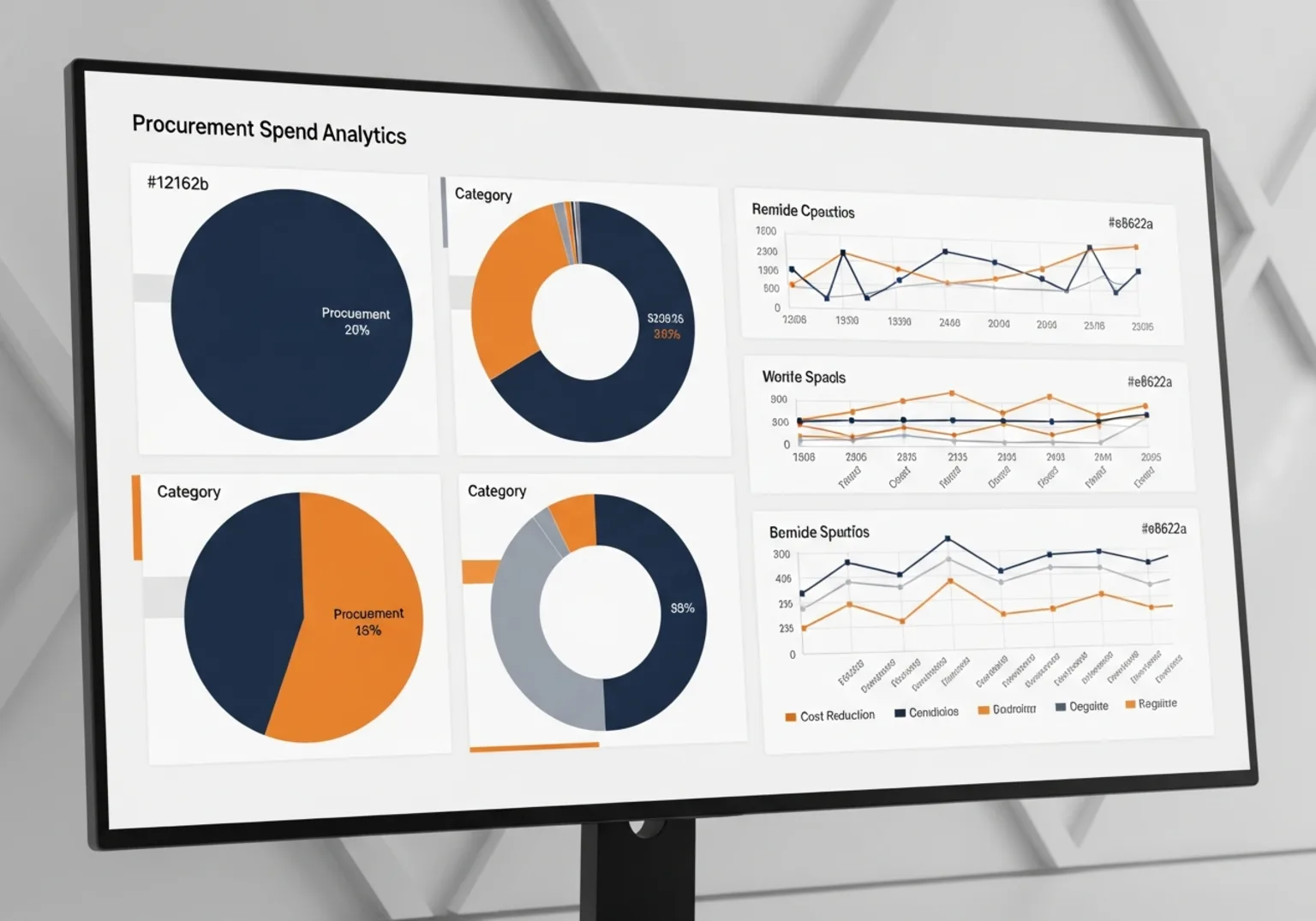
Short answer: Spend analysis is the practice of collecting, cleaning, classifying, and reviewing all of an organization's procurement data to understand where money is going. It reveals savings opportunities, supplier consolidation potential, off-contract buying, and risk — turning raw transaction data into decisions. It is the closing stage of the procurement cycle and the input that makes the next cycle smarter. This guide is part of the complete guide to corporate procurement in Malaysia.
What Is Spend Analysis?
Spend analysis answers a deceptively hard question: how much are we spending, on what, and with whom? Many organizations cannot answer it precisely because their spend is fragmented across departments, suppliers, and systems. Spend analysis consolidates that data into a clear picture so procurement and finance can act on it.
It is not a one-off exercise. The most effective teams run spend analysis continuously, using the clean data generated by digital purchase requisitions and purchase orders.
Why Spend Analysis Matters
- Finds savings — highlights categories where consolidation or renegotiation cuts cost
- Reduces maverick spend — surfaces off-contract buying at non-negotiated prices
- Strengthens negotiation — reveals total volume with each supplier, improving leverage
- Manages risk — exposes over-reliance on single suppliers
- Improves compliance — shows whether buying follows approved channels
The Spend Analysis Process, Step by Step
- Collect data. Gather purchasing data from all sources — procurement systems, finance records, invoices, and card spend.
- Cleanse data. Remove duplicates and correct errors so figures are trustworthy.
- Classify spend. Group transactions into consistent categories (for example office supplies, MRO, IT, services) so like is compared with like.
- Analyze. Examine spend by category, supplier, and department to find patterns, concentrations, and outliers.
- Act. Turn findings into decisions — consolidate suppliers, renegotiate, tighten controls, or shift categories onto a preferred channel.
Key Spend Categories to Examine
A useful early cut is direct vs indirect spend, then within indirect spend, categories such as office and pantry supplies, MRO, IT hardware, and professional services. Fragmented indirect spend — often called tail spend — is where the most overlooked savings sit. For a deeper look, see long tail spend management.
The Data Problem — and How Marketplaces Solve It
Spend analysis is only as good as the data behind it. When purchasing happens across dozens of suppliers and manual channels, the data is messy and incomplete. Consolidating spend onto a single platform produces clean, categorized transaction data automatically. On Lapasar, purchases across more than 2 million SKUs flow through one system, giving procurement teams category-level visibility without manual data cleansing.
Closing the Loop
Spend analysis feeds directly back into sourcing decisions — informing the next RFQ, supplier evaluation, and category strategy. That is what makes procurement a cycle rather than a series of disconnected purchases. For the full picture, return to the corporate procurement guide.
Frequently asked questions
What is spend analysis?
Spend analysis is the practice of collecting, cleaning, classifying, and reviewing all of an organization's procurement data to understand where money is going. It reveals savings opportunities, supplier consolidation potential, off-contract buying, and risk.
What are the steps in a spend analysis?
A spend analysis runs through five steps: collect purchasing data from all sources, cleanse it by removing duplicates and correcting errors, classify transactions into consistent categories, analyze spend by category, supplier, and department, and act on the findings — consolidating suppliers, renegotiating, or tightening controls.
What is tail spend?
Tail spend is fragmented indirect spend scattered across many small suppliers and low-value transactions. It is often overlooked, which is exactly why it is where some of the most significant untapped savings sit.
Why does spend analysis matter?
Spend analysis finds savings through consolidation or renegotiation, reduces maverick spend by surfacing off-contract buying, strengthens negotiation by revealing total volume with each supplier, manages risk by exposing over-reliance on single suppliers, and improves compliance visibility.