
Best Practices for Choosing a B2B Marketplace
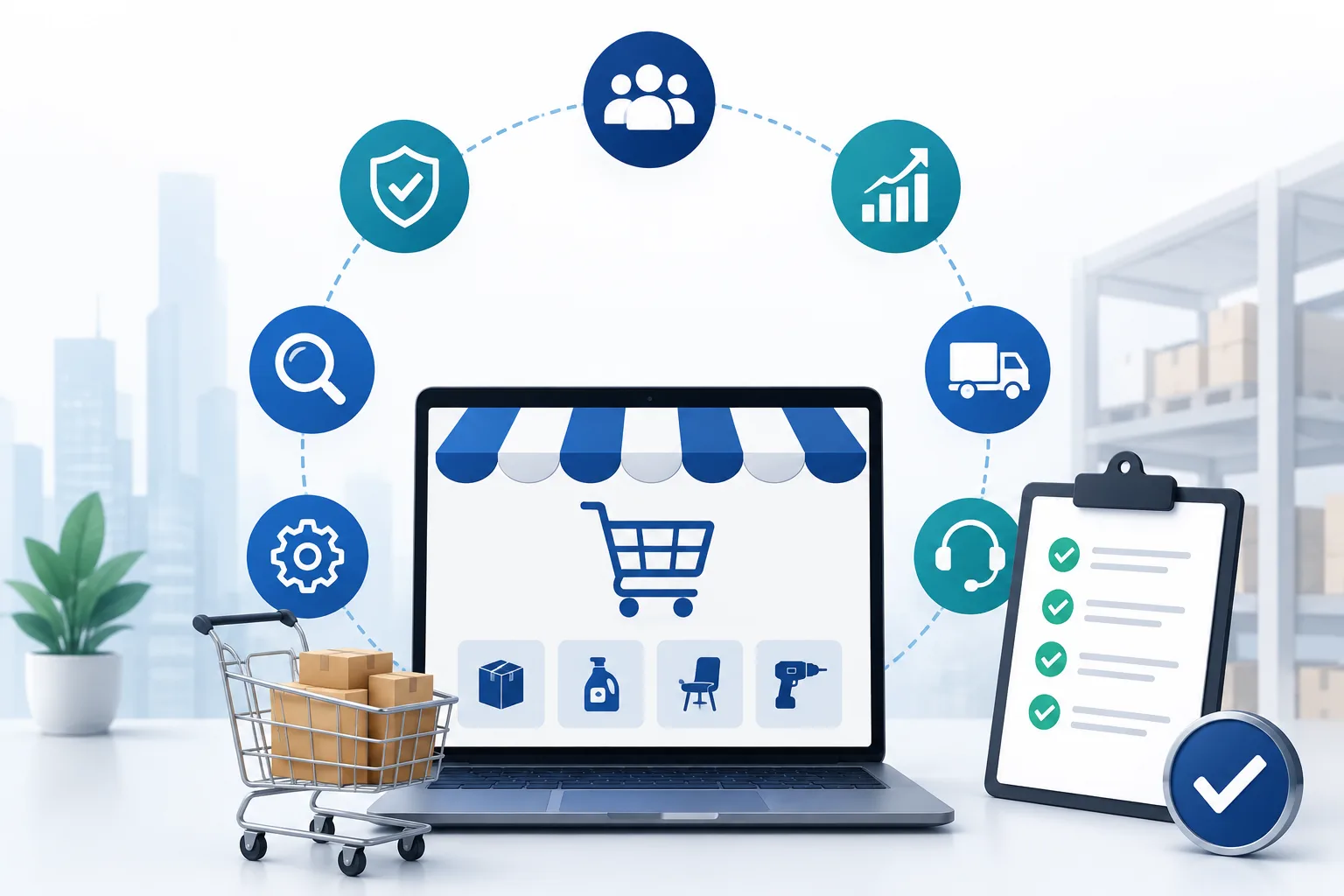
As digital procurement continues to grow, businesses are increasingly turning to B2B marketplaces. These platforms streamline purchasing, improve supplier access, reduce procurement costs, and strengthen supply chain resilience. However, not all B2B marketplaces are created equal. Choosing the right platform can significantly impact procurement efficiency, supplier management, cost control, and overall business performance.
A B2B marketplace is more than a place to buy products online. It serves as a central procurement hub that connects businesses with suppliers. It automates purchasing workflows, provides spend visibility, and supports strategic sourcing decisions. As a result, selecting the right marketplace should be approached as a strategic business decision rather than simply choosing a supplier directory.
Evaluate Supplier Quality and Diversity
The first factor businesses should evaluate is supplier quality and supplier diversity. A marketplace is only as valuable as the suppliers it attracts. The strongest B2B marketplaces provide access to a large network of verified suppliers across multiple categories. This allows businesses to compare options, reduce supplier dependency, and maintain flexibility when market conditions change. A broad supplier ecosystem also creates healthy competition, often resulting in better pricing and service levels.
Product selection is equally important. Businesses should look for marketplaces that offer a comprehensive range of products and services relevant to their operations. A procurement team can source office supplies, pantry products, facility management items, and industrial supplies through a single platform. The same platform also covers IT equipment, corporate gifts, and business services. That delivers greater efficiency and stronger spend visibility. The ability to consolidate procurement activity into one system reduces administrative complexity and improves purchasing control.
Procurement Visibility and Spend Reporting
Procurement visibility should be a major consideration when evaluating any marketplace. Many businesses struggle with fragmented spending across multiple suppliers and purchasing channels. A modern B2B marketplace should provide centralized reporting and analytics. These tools let organizations monitor spending patterns, supplier performance, purchasing trends, and procurement compliance. Visibility into procurement data enables more informed decision-making and often uncovers opportunities for cost savings.
Automation and Digital Workflow Capabilities
Businesses should also evaluate the marketplace's procurement automation capabilities. Manual procurement processes consume significant time and resources. Leading marketplaces support digital purchase orders, approval workflows, order tracking, spend reporting, and supplier management. Automation reduces administrative workload, improves accuracy, and accelerates procurement cycles. As organizations grow, these capabilities become increasingly important for maintaining operational efficiency. Lapasar's research on long-tail procurement and AI-driven efficiency examines how automation is reshaping high-frequency, low-value purchasing across Malaysian enterprises.
Platform Usability and Adoption
The user experience of the platform should not be overlooked. Procurement systems are only effective when they are actively used by employees. A marketplace with a complex or unintuitive interface may face low adoption, which reduces the value of the investment. Businesses should look for platforms with clear navigation and simple search and ordering processes. Mobile-friendly interfaces also let procurement activities be managed from any location.
Logistics, Fulfillment, and Delivery Reliability
Delivery reliability is often one of the most critical success factors for procurement. A marketplace may offer excellent product selection and competitive pricing, but if fulfillment is unreliable, the procurement operation will suffer. Businesses should evaluate a marketplace's logistics capabilities, including warehousing infrastructure, delivery network coverage, order accuracy, and service-level commitments. Platforms that own their fulfillment infrastructure typically offer more consistent and reliable delivery compared to those relying entirely on third-party logistics providers.
Pricing Transparency and Total Cost of Ownership
Price transparency is a fundamental requirement for any procurement platform. Organizations should be able to compare pricing across suppliers and understand total landed costs. They should also access consistent pricing without negotiating every purchase. Transparent pricing reduces the time spent on quotations and gives finance teams confidence in the accuracy of procurement spend data.
Beyond per-unit pricing, businesses should evaluate the total cost of ownership of using a marketplace. This includes platform fees, delivery charges, minimum order requirements, and payment terms. A marketplace that offers competitive product pricing but imposes high platform fees or restrictive delivery minimums may not deliver the expected cost savings.
Integration, Security, and Compliance
For medium and large organizations, system integration is an important consideration. A B2B marketplace that connects with existing ERP systems, accounting software, or expense management tools can significantly reduce manual data entry and improve spend accuracy. Businesses should verify whether a marketplace supports standard integration formats or provides API access.
Platform security and compliance should also be assessed, particularly for organizations in regulated industries or those handling sensitive procurement data. A trustworthy marketplace will maintain clear data privacy policies and provide audit trails for procurement activities.
Making the Right Decision
Choosing the right B2B marketplace requires a structured evaluation. Assess supplier quality, product range, procurement automation, spend visibility, logistics performance, pricing transparency, and integration capabilities. Organizations that approach this decision strategically are better positioned to improve procurement efficiency, reduce costs, and build supply chain resilience over the long term. Lapasar's enterprise procurement case studies and procurement research hub provide evidence-based benchmarks to support this evaluation.