
The Purchase Order Process Explained
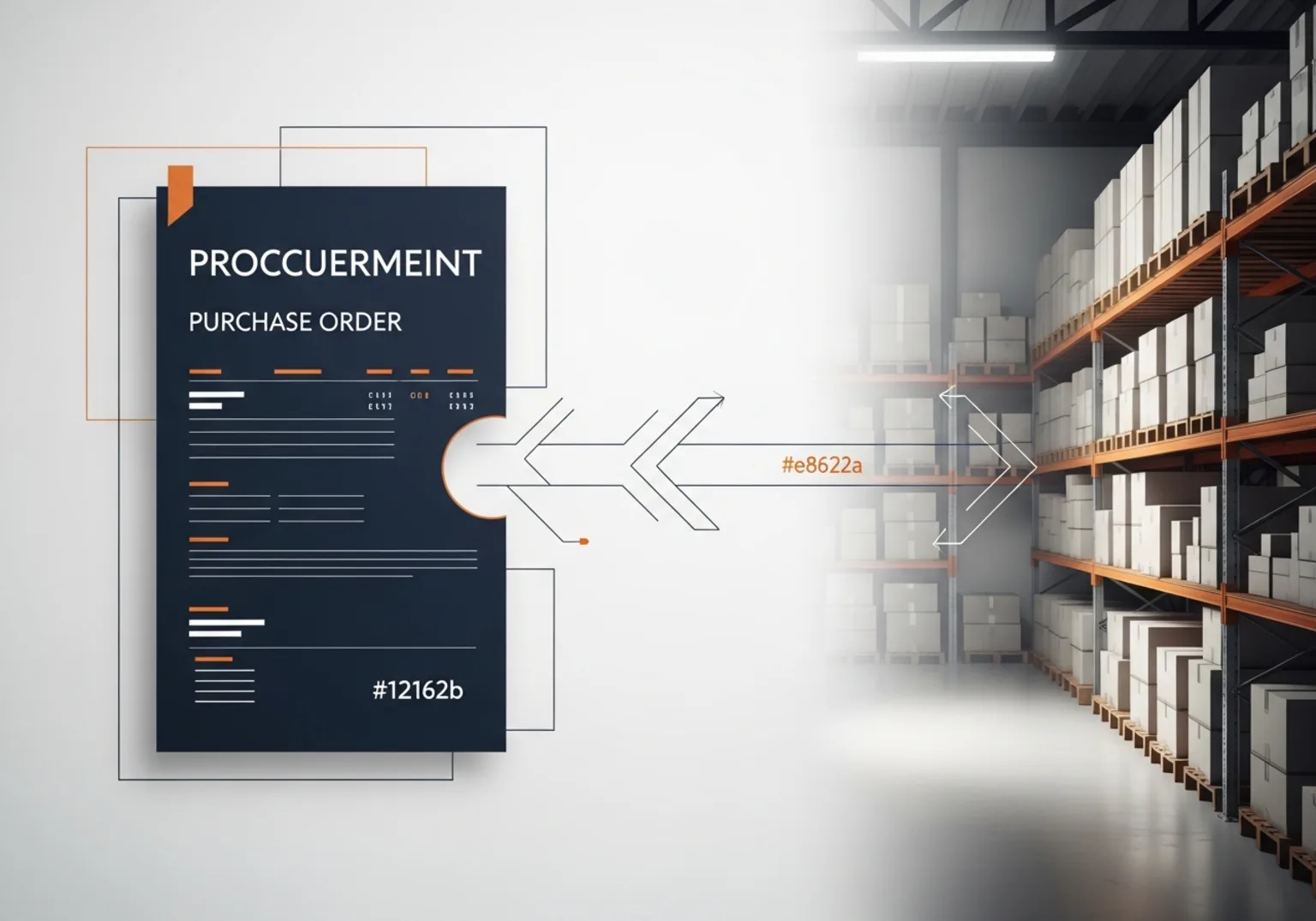
Short answer: A purchase order (PO) is a buyer's official document sent to a supplier that commits the business to buying specified goods or services at agreed quantities, prices, and terms. Once the supplier accepts it, the PO becomes a legally binding contract. It is created after an internal purchase requisition is approved, and it is the reference document used to receive goods and pay the invoice. This guide is part of the complete guide to corporate procurement in Malaysia.
What Is a Purchase Order?
A purchase order is the formal offer a buyer makes to a supplier. It states exactly what is being bought, in what quantity, at what price, when it is needed, and on what payment terms. Unlike an internal requisition, the PO is an external, binding document: when the supplier accepts it, both parties are contractually committed.
Every PO carries a unique number that is used to track the order through delivery, invoicing, and payment — making it the anchor of the procure-to-pay process.
What a Purchase Order Contains
A standard purchase order includes:
- A unique PO number and date
- Buyer and supplier details
- Line items with descriptions, quantities, and agreed unit prices
- Total value and applicable taxes
- Delivery address and required date
- Payment terms and any reference to underlying contracts
The Purchase Order Process, Step by Step
- Approved requisition. The PO process begins only after a purchase requisition has been approved and, where relevant, a supplier has been selected through a request for quotation.
- PO creation. Procurement generates the purchase order from the approved requisition, converting the internal request into an external commitment.
- PO issuance. The PO is sent to the supplier, who reviews and confirms acceptance. At acceptance it becomes binding.
- Fulfillment. The supplier delivers the goods or services against the PO.
- Goods receipt. The receiving team records what actually arrived, creating a goods-receipt note.
- Three-way matching and payment. Finance matches the PO, the goods-receipt note, and the supplier invoice before releasing payment.
Purchase Order vs Invoice
A PO is issued by the buyer at the start of a transaction to order goods. An invoice is issued by the supplier after delivery to request payment. The two should always be reconciled against each other — along with the goods-receipt record — so the business pays only for what it ordered and received.
Three-Way Matching Explained
Three-way matching is the control that compares three documents before payment:
- The purchase order — what was ordered
- The goods-receipt note — what was received
- The supplier invoice — what is being billed
If all three agree, the invoice is cleared for payment. If they do not, the discrepancy is investigated. This simple check prevents overpayment, duplicate billing, and payment for goods never received.
Types of Purchase Orders
- Standard PO — a one-off order for defined goods or services.
- Blanket PO — an agreement to buy up to a set value or quantity over a period, drawn down as needed.
- Contract PO — tied to an underlying supplier contract governing terms.
Digitizing Purchase Orders
Manual PO creation is slow and error-prone. E-procurement platforms generate POs automatically from approved requisitions, enforce approved pricing, and match documents electronically. On Lapasar, catalog pricing is pre-agreed, so POs reflect consistent prices and flow straight into delivery and reporting. For the full context of where the PO sits, see the corporate procurement guide and the supplier onboarding process that must be completed before a supplier can be paid.
Frequently asked questions
What is a purchase order?
A purchase order (PO) is the formal offer a buyer sends to a supplier stating exactly what is being bought, in what quantity, at what price, when it is needed, and on what payment terms. When the supplier accepts it, the PO becomes a legally binding contract.
What is the difference between a purchase order and an invoice?
A purchase order is issued by the buyer at the start of a transaction to order goods. An invoice is issued by the supplier after delivery to request payment. The two should always be reconciled against each other — along with the goods-receipt record — so the business pays only for what it ordered and received.
What is three-way matching?
Three-way matching is the control that compares the purchase order (what was ordered), the goods-receipt note (what was received), and the supplier invoice (what is being billed) before payment. If all three agree, the invoice is cleared; if not, the discrepancy is investigated. It prevents overpayment, duplicate billing, and payment for goods never received.
What are the main types of purchase orders?
The three common types are the standard PO (a one-off order for defined goods or services), the blanket PO (an agreement to buy up to a set value or quantity over a period, drawn down as needed), and the contract PO (tied to an underlying supplier contract governing terms).