
The Purchase Requisition Process: A Complete Guide
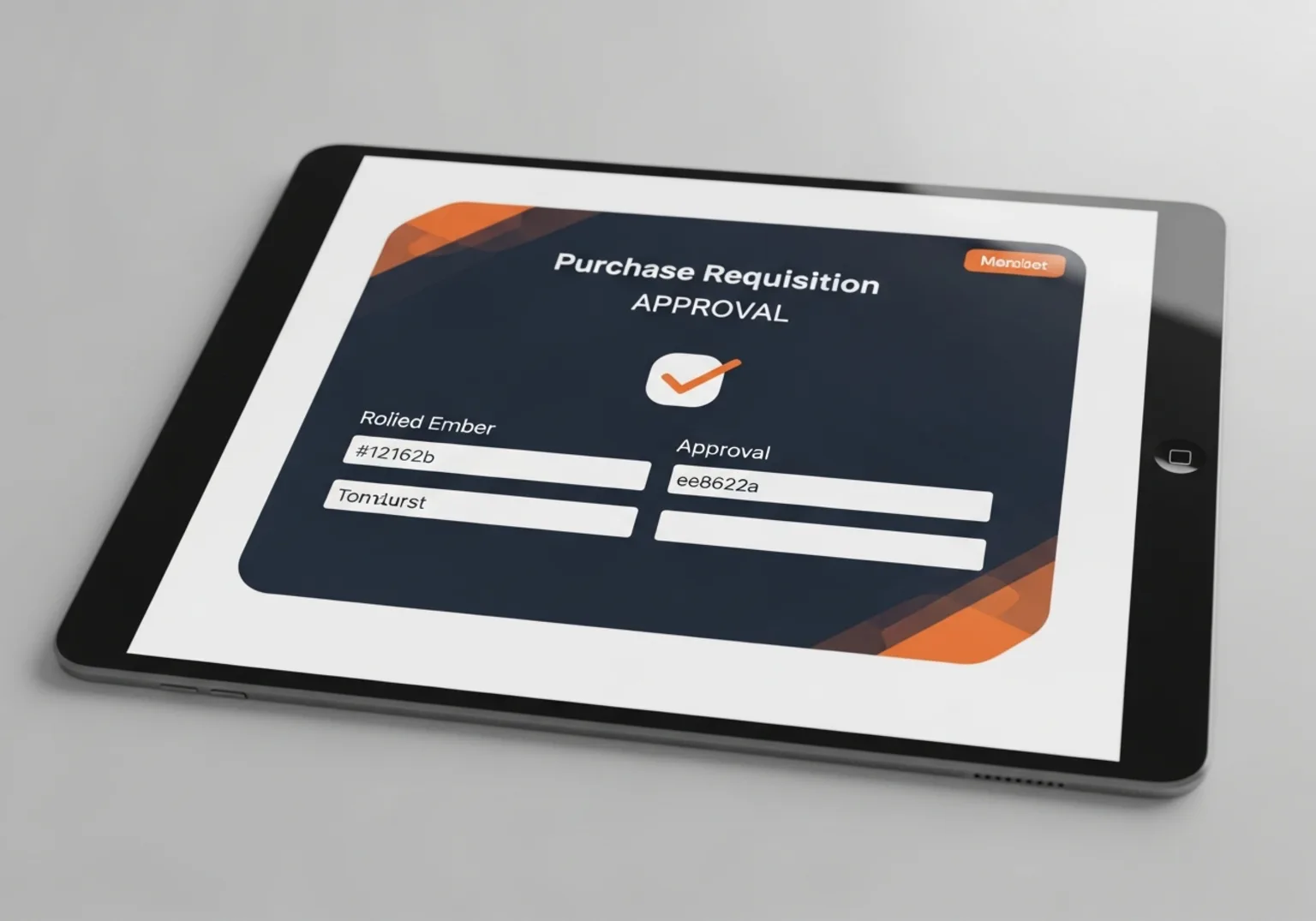
Short answer: A purchase requisition is an internal document an employee or department raises to request approval to buy goods or services. It comes before any order is placed and is the first control point in the procurement cycle — it does not commit the company to a supplier. Once approved, it becomes the basis for a request for quotation or a purchase order. This guide is part of the complete guide to corporate procurement in Malaysia.
What Is a Purchase Requisition?
A purchase requisition (sometimes called a purchase request) is the formal way a team asks the procurement or finance function for permission to spend. It documents what is needed, how much, why, and the estimated cost, and routes that request to the appropriate approver based on value and category. Crucially, it is an internal document — no supplier sees it and no money is committed until it is approved and converted into an order.
Purchase Requisition vs Purchase Order
This is the most common point of confusion. The difference is direction and commitment:
- A purchase requisition is internal. It asks inside the company for approval to buy.
- A purchase order is external. Once the requisition is approved, procurement issues a PO to the chosen supplier, which is a binding commitment to buy.
In short: the requisition authorizes the spend internally; the purchase order executes it externally.
Why Purchase Requisitions Matter
The requisition step exists to prevent uncontrolled spending. Without it, employees can buy directly from suppliers with no oversight — the classic cause of maverick spend and budget overruns. A requisition process delivers:
- Budget control — spend is checked against budget before it happens
- Approval accountability — every purchase has a documented approver
- An audit trail — a clear record of who requested what, and why
- Better sourcing — approved needs can be aggregated and sourced competitively
The Purchase Requisition Process, Step by Step
- Identify the need. A department realizes it needs goods or services — say, office supplies or a maintenance service.
- Complete the requisition. The requester records the item, quantity, specification, estimated cost, required date, and business justification.
- Route for approval. The requisition is sent to the relevant approver. Approval thresholds usually escalate with value — a line manager for small amounts, department heads or finance for larger ones.
- Review and decide. The approver checks budget availability, necessity, and compliance, then approves, rejects, or returns it for more information.
- Convert to sourcing or order. Once approved, procurement either issues a request for quotation for competitive categories or raises a purchase order directly for catalog or contracted items.
What a Purchase Requisition Should Include
A complete requisition typically captures the requester and department, item description and specification, quantity, estimated unit and total cost, preferred or suggested supplier (if any), required delivery date, budget or cost center code, and a short business justification.
Manual vs Digital Requisitions
Paper and email requisitions are slow, easy to lose, and hard to audit. Digital requisitions in an e-procurement platform enforce approval workflows automatically, check budgets in real time, and create clean data that flows into spend analysis later. On a managed marketplace like Lapasar, requisitions, approvals, and ordering live in one system, so an approved request converts into an order in a few clicks.
Where the Requisition Fits in the Bigger Picture
The requisition is stage one of the procurement cycle. To see how it connects to sourcing, supplier evaluation, purchase orders, and payment, read the complete corporate procurement guide.
Frequently asked questions
What is a purchase requisition?
A purchase requisition is an internal document an employee or department raises to request approval to buy goods or services. It documents what is needed, how much, why, and the estimated cost, and routes the request to the appropriate approver before any money is committed.
What is the difference between a purchase requisition and a purchase order?
A purchase requisition is internal — it asks inside the company for approval to buy. A purchase order is external — once the requisition is approved, procurement issues a PO to the chosen supplier, which is a binding commitment to buy. The requisition authorizes the spend internally; the purchase order executes it externally.
What should a purchase requisition include?
A complete requisition captures the requester and department, item description and specification, quantity, estimated unit and total cost, preferred supplier (if any), required delivery date, budget or cost center code, and a short business justification.
Why do purchase requisitions matter?
The requisition step prevents uncontrolled spending. It delivers budget control by checking spend before it happens, approval accountability with a documented approver for every purchase, a clear audit trail, and better sourcing because approved needs can be aggregated and sourced competitively.