
Sourcing Guide · Power Tools
Cordless Drills: A Sourcing Guide for Malaysian Fleets
A cordless drill purchase is rarely about one tool — it is about the battery platform every future tool will inherit. This guide walks through voltage classes, the difference between drill drivers, combi drills and impact drivers, and how to standardise a fleet so batteries and chargers stay interchangeable.
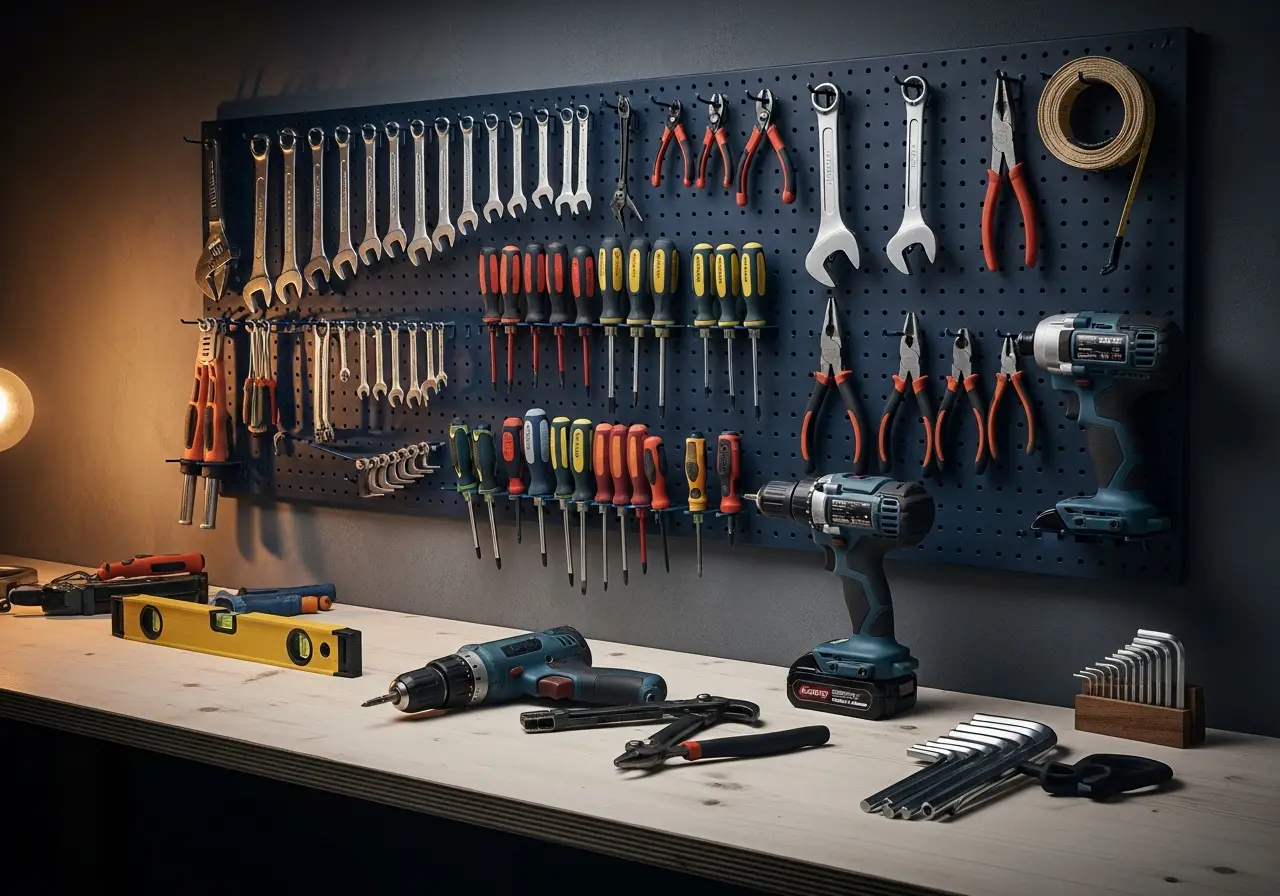 Sourcing guide
Sourcing cordless drills starts with the battery platform, not the drill: choose one voltage class (12V for light assembly, 18/20V as the general workhorse) and commit a whole team to it so batteries and chargers interchange. Match the tool type to the work — a drill driver for general drilling and screwdriving, a combi drill when masonry hammering is needed, an impact driver for high-torque fastening. Favour brushless motors for fleets that run daily, and buy bare units against a shared battery pool once the platform is established. Consolidating the purchase through a managed marketplace such as Lapasar gives buyers access to 10,000+ suppliers on one account with credit terms for approved businesses and delivery across Peninsular Malaysia.
Key takeaways
- The battery platform outlives the drill — every later cordless tool inherits it, so choose the platform before the individual model.
- Drill driver, combi drill and impact driver are three different jobs; buying the wrong type wastes money and frustrates technicians.
- One voltage class per team keeps batteries and chargers interchangeable and shrinks spare-battery inventory.
- Brushless motors earn their premium on fleets that run daily through longer runtime and motor life; brushed units still suit occasional use.
- Once the platform is set, buy bare tools against a shared battery pool instead of a kitted battery-and-charger set every time.
What counts as cordless drills
Battery-powered drilling and fastening tools — drill drivers, combi (hammer) drills and impact drivers — that share a common battery platform across a maintenance or project fleet.
Who typically sources this category
- Manufacturing
- Construction
- Facilities management
- Electrical & mechanical contracting
- Property maintenance
Part of the wider Power Tools & Hand Tools sourcing guide.
Drill driver, combi or impact driver — matching the tool to the work
The three cordless tools most fleets confuse are the drill driver, the combi drill and the impact driver, and they do genuinely different jobs. A drill driver handles general drilling into wood, metal and plastic plus screwdriving through an adjustable clutch that limits torque so it will not strip a fastener. A combi drill adds a hammer action for drilling into masonry and concrete, at the cost of extra weight. An impact driver delivers rotational impacts for high-torque fastening — driving long screws and bolts — but has a hex chuck rather than a keyless drill chuck, so it is a driver first and a drill only with hex-shank bits.
A common fleet mistake is issuing combi drills to technicians who only ever drive screws, then watching them struggle with the weight, or issuing plain drill drivers to teams doing structural fastening that really needs an impact driver. Specify the tool against the actual task list before quantity, not the other way round.
Voltage classes and what they signal
Cordless voltage roughly tracks power and weight. The 12V class is compact and light, suited to electrical work, cabinetry, assembly and overhead tasks where fatigue matters more than raw output. The 18V/20V class (the numbers describe the same packs measured differently) is the general workhorse for maintenance and construction, balancing runtime against weight. Higher-voltage packs and twin-battery systems exist for heavy drilling and outdoor cutting, but they add bulk that most indoor maintenance work does not need.
The important procurement point is that voltage is tied to the battery platform. Mixing 12V and 18V within one team is defensible when the light and heavy needs are genuinely distinct; mixing multiple brands at the same voltage is not, because the packs will still not interchange.
- 12V class: light assembly, electrical, overhead and cabinet work where weight dominates
- 18V/20V class: the general maintenance and construction workhorse
- Higher-voltage / twin-pack systems: heavy drilling and outdoor cutting only
- Brushless vs brushed: brushless for daily-use fleets, brushed acceptable for occasional tools
See live stock & pricing for cordless drills on mall.lapasar.com
Standardising a fleet around one platform
The recurring cost in cordless tooling is batteries and chargers, not the tool bodies. Because packs and chargers are locked to a brand's platform, a site running three brands carries three separate battery inventories and three sets of charging points. Committing a team to a single platform lets procurement buy bare-tool units — the tool alone, no battery — against a shared pool of packs, which is materially cheaper than buying a kitted set with every purchase.
Set the platform as a written standard so future buyers do not reintroduce sprawl by chasing a promotion on a different brand. Keep a defined ratio of batteries to tools per team so charging never becomes the bottleneck, and retire ageing packs on a planned cycle rather than waiting for on-site failures.
Evaluating suppliers for cordless drills
Genuine stock with valid Malaysian warranty registration is the first gate, exactly as with any powered tool — grey-imported cordless kits often arrive with packs that carry no local service coverage, which only surfaces when a battery fails. Ask suppliers to confirm authorised-distribution sourcing and to register serials with the brand's Malaysian service network.
Then look at platform continuity: a supplier who stocks the full ladder of a platform — bare tools, the batteries, the chargers and the compatible driver range — lets you grow the fleet on one platform for years. On the Lapasar marketplace, buyers compare quotes from multiple suppliers against the same specification and weigh price against fulfilment history rather than treating a single cheap line in isolation.
- Authorised-distribution confirmation and Malaysian warranty registration on batteries and tools
- Depth on one platform: bare tools, packs, chargers and compatible drivers all stocked
- Ability to supply bare units for fleets that already hold batteries
- Realistic per-line stock commitments rather than catalogue-only listings
Sourcing across Peninsular Malaysia
Cordless tool demand clusters around the manufacturing and construction corridors of the Klang Valley, the Penang electronics belt and the Johor Bahru industrial zones, where distributor depth is strongest. Sites away from those corridors often wait longer for specific platform items through traditional dealer networks.
A consolidated marketplace evens this out: orders draw on 10,000+ suppliers with fulfilment through Lapasar's own warehouses and delivery fleet across Peninsular Malaysia, and orders from RM1,000 qualify for free delivery in the Klang Valley, Penang, Johor, Perak and Negeri Sembilan. For live stock and pricing on specific models, the cordless drills catalogue on mall.lapasar.com carries the current range.
Explore the range on mall.lapasar.com
The transactional catalogue — live stock, business pricing and volume quotations — lives on mall.lapasar.com. Start from these cordless drills ranges:
Keep planning with these guides
Common questions
- What is the difference between a combi drill and an impact driver?
- A combi drill is a drill first — it has a keyless chuck and a hammer action for masonry — and drives screws through an adjustable clutch. An impact driver is a fastening tool with a hex chuck that delivers rotational impacts for high-torque screw and bolt driving; it drills only with hex-shank bits. Most maintenance teams end up needing both: the combi for drilling, the impact driver for repetitive fastening.
- Should a whole team run one battery platform?
- In most cases yes. Batteries and chargers are locked to each brand's platform, so every additional brand means another set of spare packs and charging points. Standardising one platform per team lets you buy bare-tool units against a shared battery pool, which is cheaper than buying a kitted battery-and-charger set every time.
- Is a brushless cordless drill worth the extra cost?
- For a fleet that runs daily, usually yes — brushless motors give longer runtime per charge and longer motor life because there are no brushes to wear. For tools used only occasionally, a brushed unit at a lower price can be the more sensible choice.
- Can we buy bare drills without batteries?
- Yes, once your fleet is standardised on a platform. Bare-tool units are the tool body alone, priced well below a kitted set, and they run on the packs you already hold. Confirm at quotation that the bare unit matches the exact platform your batteries use.
- Where can we see live pricing and stock for cordless drills?
- The transactional catalogue lives on mall.lapasar.com — the cordless drills category there carries the current range with live stock and business pricing, and links through to supplier quotations for fleet quantities.
Didn't find your answer?
Ask us directly — WhatsApp or email, whichever suits you.
Explore related across the knowledge graph
Ready to act on this guide?
The cordless drills catalogue on mall.lapasar.com carries live stock and business pricing from 10,000+ suppliers — with credit terms for approved buyers and delivery across Peninsular Malaysia.
Prefer to talk to a real person?
Our team replies fast on WhatsApp and email — no forms, no waiting.